Unraveling Roulette Payout Ratios Against Progressive Bonus Tracks in Digital Arenas
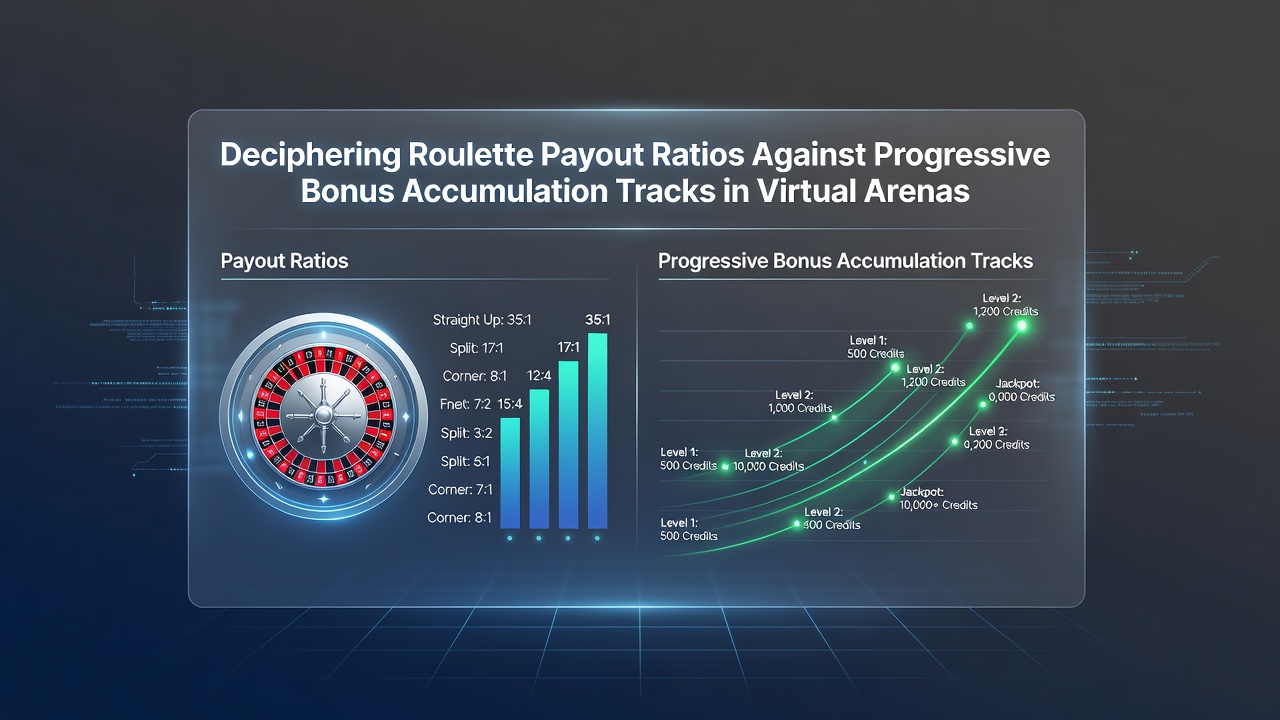
Virtual arenas present roulette payout ratios that remain fixed according to wheel type while progressive bonus accumulation tracks adjust based on cumulative bet volumes and platform algorithms. European wheels deliver a 2.7 percent house edge across 37 pockets whereas American variants reach 5.26 percent over 38 pockets and these base ratios dictate every standard return before any bonus layer activates.
Core Payout Structures in Roulette
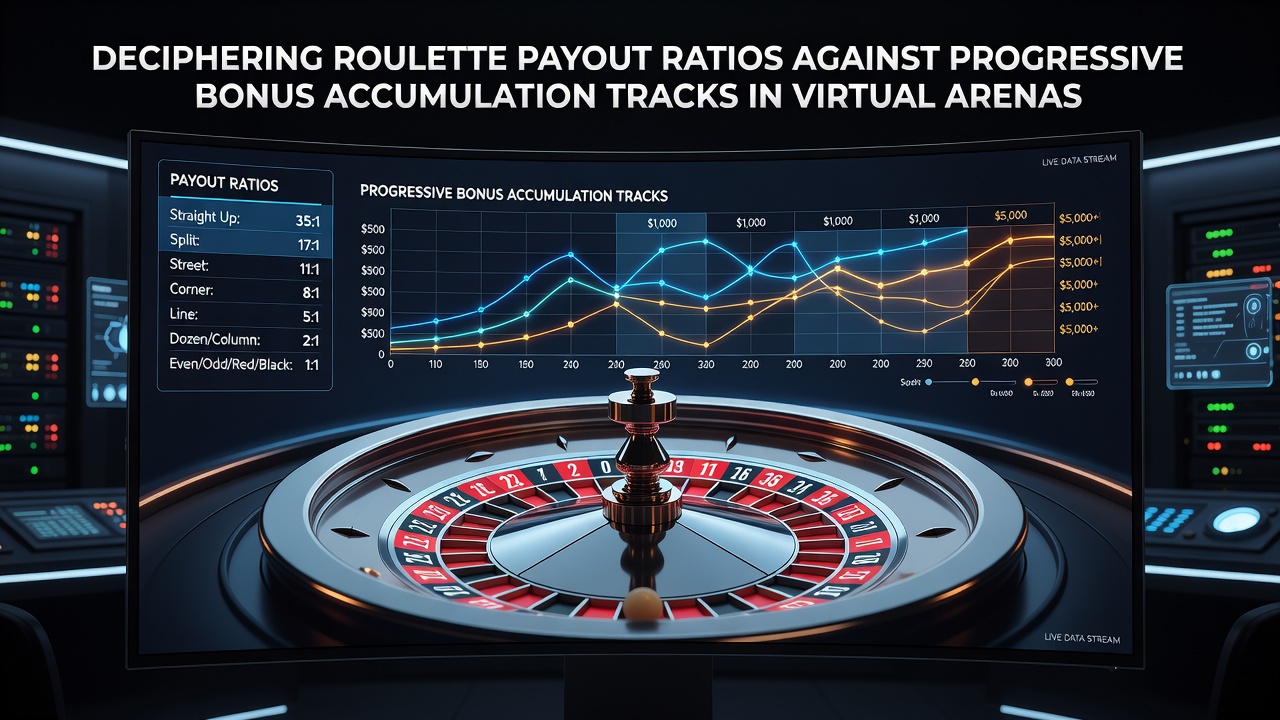
Single-number bets pay 35 to 1 across both wheel formats yet the probability shifts from 1 in 37 on European layouts to 1 in 38 on American ones and observers note that even-money wagers such as red or black maintain 1 to 1 payouts with the zero or double-zero absorbing the house percentage. Column and dozen bets follow 2 to 1 ratios while split and street wagers scale accordingly and data from regulated markets shows these ratios hold steady regardless of session length or player volume.
Virtual platforms encode these ratios into random number generators that replicate physical wheel outcomes and regulatory audits confirm consistency across thousands of spins. Progressive bonus tracks however layer additional multipliers or cashback pools that grow with total wagered amounts and often require players to meet thresholds before any accumulation converts to withdrawable value.
Progressive Bonus Accumulation Mechanics
Accumulation tracks in virtual environments typically increment a visible meter as bets are placed on roulette tables and the meter advances at rates tied to wager size rather than outcome frequency. A player placing repeated even-money bets contributes steadily to the track while the underlying payout ratio stays unchanged and this separation means bonus progress operates independently from individual spin results.
Platforms in multiple jurisdictions apply different formulas for bonus growth and some tie accumulation speed to specific bet types whereas others apply uniform rates across all wagers. As of August 2026 several operators have updated their tracking systems to display real-time progress percentages and these updates align with requirements from bodies such as the New Jersey Division of Gaming Enforcement which monitors fairness in digital game mechanics.
Interactions Between Ratios and Tracks
Researchers examining virtual roulette sessions find that payout ratios determine immediate returns while progressive tracks influence longer-term retention value and the two systems run in parallel without direct interference. A sequence of winning spins at standard ratios adds to the bonus meter at the same rate as losing spins of equal size because accumulation depends on wager volume not net result.
Clearance conditions attached to accumulated bonuses frequently reference total bets placed and these conditions reference the same payout tables used for regular play yet the bonus itself may carry separate conversion rules once thresholds are met. Figures from industry reports indicate that European wheel games paired with progressive tracks show higher average bonus completion rates than American wheel equivalents because the lower house edge leaves more player funds available for continued betting.
Regional Regulatory Perspectives
Authorities across different regions apply varying scrutiny to how payout ratios and bonus tracks combine in virtual settings. The Australian Gambling Research Centre has published analyses comparing bonus accumulation timelines against standard payout distributions in online table games and those studies highlight measurable differences in player session duration when progressive elements are present. Canadian provincial regulators similarly track how digital platforms disclose both fixed ratios and variable bonus mechanics to ensure transparency.
Operators must maintain separate ledgers for standard game returns and bonus accumulation to satisfy audit requirements and this separation prevents any distortion of the core payout ratios. Virtual arenas therefore present players with two distinct layers: the unchanging roulette mathematics and the dynamic bonus progression that rewards sustained activity.
Conclusion
Decoding roulette payout ratios against progressive bonus accumulation tracks requires recognizing their independent operation within virtual arenas where fixed mathematical structures coexist with volume-based reward systems. Data from multiple regulatory sources confirms that players encounter consistent payout ratios regardless of bonus progress and accumulation tracks advance according to bet totals rather than spin outcomes. Observers tracking developments through August 2026 note continued refinement of these dual systems as platforms adjust to evolving compliance standards across jurisdictions.