Unraveling How Spin Frequency Data Shapes Customized Loyalty Multipliers Across Multi-Device Roulette Platforms
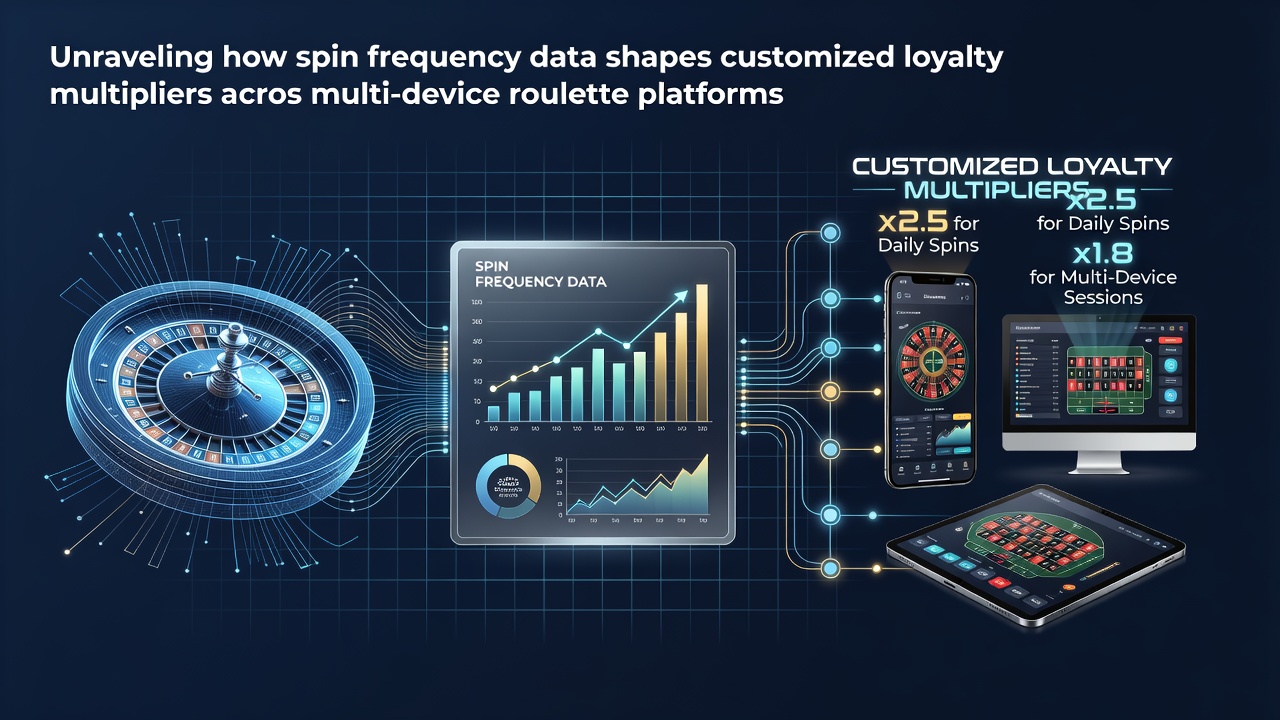
Spin frequency data tracks how often players complete wheel spins during roulette sessions, and platforms integrate this metric into loyalty systems that adjust reward multipliers based on patterns observed across mobile, desktop, and tablet interfaces. Data collection occurs through server logs that record timestamps, device identifiers, and session durations, which feed into algorithms designed to customize point accrual rates for individual accounts.
Data Collection Mechanisms in Roulette Environments
Operators gather spin frequency information by monitoring every rotation event, noting intervals between spins while distinguishing between manual player actions and automated features where permitted. This process runs continuously, capturing variations that emerge when users switch devices mid-session, and the resulting datasets allow systems to maintain consistent tracking even as connections move from Wi-Fi to cellular networks or between app versions adn browser interfaces.
Platforms apply statistical models to these records, identifying clusters of high-frequency spinning that correlate with sustained engagement periods. Researchers have noted that such models often incorporate time-of-day variables alongside device type, producing loyalty multipliers that scale rewards when spin rates exceed baseline thresholds established through historical aggregates. In July 2026 updates to cross-platform protocols have refined these thresholds to account for newer tablet hardware capabilities that affect spin input responsiveness.
Algorithmic Customization of Loyalty Multipliers
Customized multipliers emerge when algorithms process spin frequency alongside account history, generating tiered rates that increase point values for players demonstrating steady rotation patterns. These calculations occur server-side, ensuring synchronization across devices so that a mobile session contributes the same underlying data as a desktop continuation of the same account. Observers note that the process relies on weighted variables where recent frequency trends carry heavier influence than older sessions, allowing multipliers to adjust dynamically within active play windows.
Take one system that revealed through internal testing that users averaging one spin every twelve seconds on tablets received elevated multipliers compared with slower desktop patterns, prompting developers to calibrate device-specific normalization factors. Such adjustments maintain fairness in reward distribution while encouraging consistent behavior across hardware types, and they draw from aggregated anonymized datasets rather than individual identifiers during the initial modeling phase.
Cross-Device Synchronization Challenges and Solutions
Multi-device environments present synchronization hurdles because latency differences and input methods vary between touchscreens and mouse-driven interfaces, yet operators address these through unified data pipelines that normalize spin events before multiplier application. Evidence from industry reports indicates that successful implementations reduce discrepancies by timestamping actions at the server level rather than relying on client devices, which prevents inflated frequency counts from slower connections.
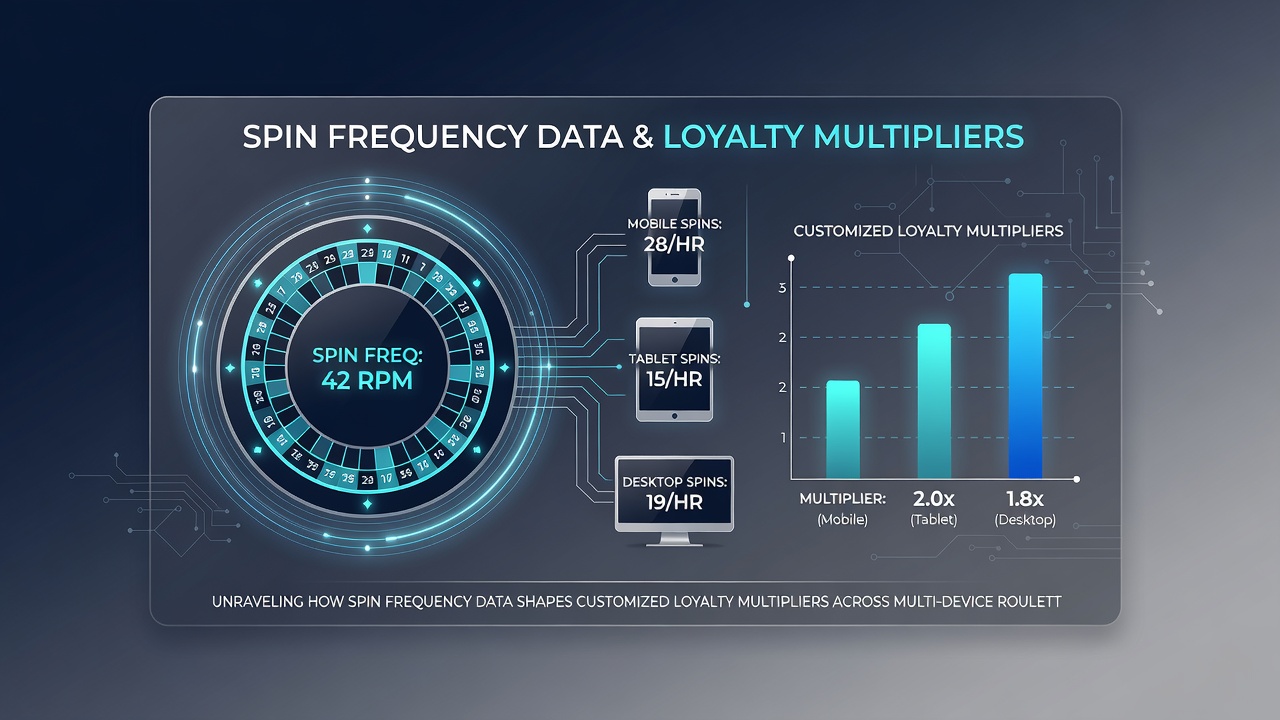
What's interesting here is how these pipelines integrate with broader loyalty frameworks that layer additional modifiers for session length or game variant selection. According to findings published by the European Gaming and Betting Association, platforms that harmonize device data achieve more stable multiplier distributions, reducing variance in player reward experiences during extended play sequences that span multiple hardware switches.
Regulatory and Technical Considerations in 2026
Regulatory frameworks in various jurisdictions require transparent disclosure of how frequency data influences rewards, prompting operators to maintain audit logs that detail multiplier adjustments. The Alcohol and Gaming Commission of Ontario has emphasized standards for data integrity in player tracking systems, requiring verification steps that confirm spin records align with actual gameplay events rather than simulated inputs. These requirements influence platform architecture, leading developers to embed validation checks that flag anomalies before they affect loyalty calculations.
Technical implementations further incorporate encryption protocols for data transit between devices and central servers, protecting frequency metrics during transmission. Analysts have observed that such measures support compliance while enabling the real-time multiplier updates that players encounter when progressing through loyalty tiers on roulette platforms.
Conclusion
Spin frequency data continues to drive customization in loyalty multipliers by supplying the measurable inputs that algorithms use to differentiate reward rates across multi-device roulette environments. As platforms refine their approaches through ongoing data integration, the mechanisms remain grounded in verifiable session records that support consistent application regardless of hardware transitions. Observers expect continued evolution in these systems as new device capabilities emerge and regulatory expectations around data usage solidify further.