Tracing teh Evolution of Loyalty Programs Tailored to Digital Roulette Participants in Competitive Markets
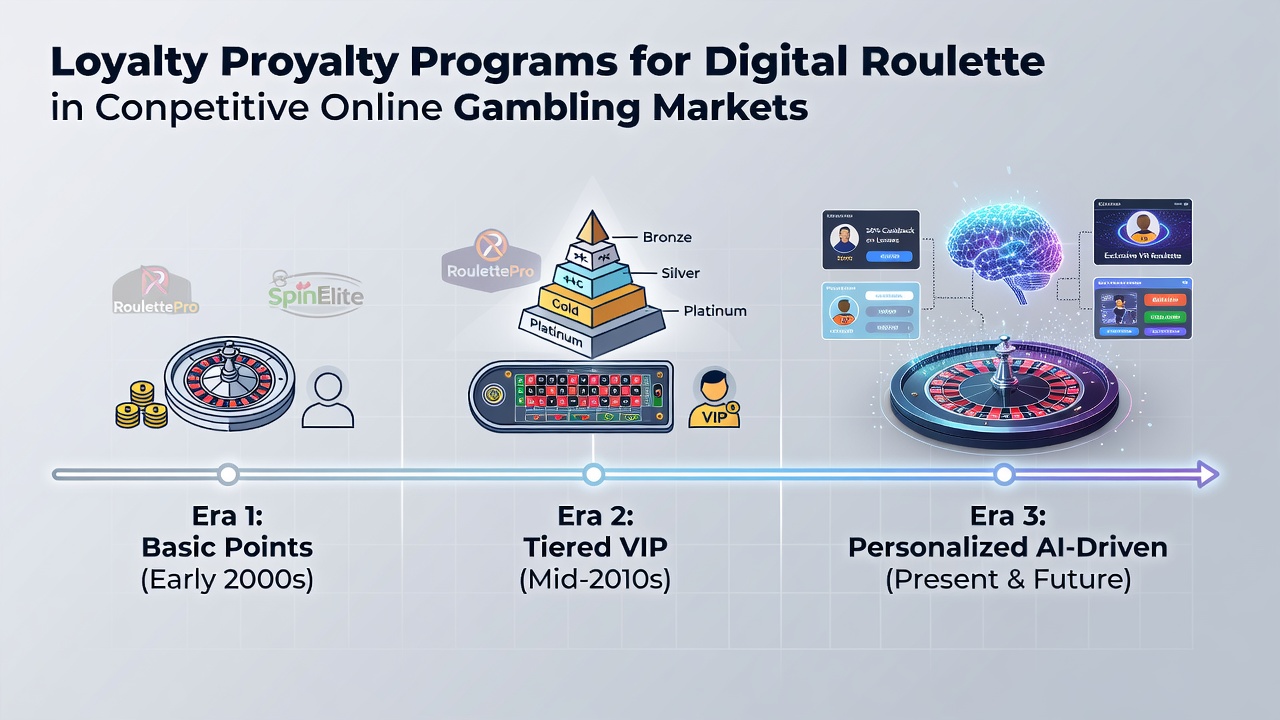
Digital roulette loyalty programs began as basic point-collection systems in the late 1990s when online casinos first introduced wheel-based games to attract repeat visitors, and operators tracked player activity through simple account ledgers that awarded credits after a set number of spins. These early mechanisms rewarded volume rather than engagement patterns, so participants earned flat percentages on total wagers without regard to game type or session length.
Initial Structures in Emerging Online Platforms
Operators in competitive European markets during the early 2000s expanded these systems by adding tier levels that unlocked faster withdrawal processing and exclusive table access once players reached predetermined wager thresholds, yet the criteria remained largely uniform across roulette variants. Data collected by platform analytics teams revealed that participants stayed longer when rewards included free spin bundles tied directly to European wheel sessions, which prompted several sites to adjust accrual rates for zero-inclusive games compared with American double-zero versions.
By 2008 multiple jurisdictions had begun requiring transparent disclosure of point expiration rules, and regulatory filings from the Malta Gaming Authority showed that loyalty redemptions for roulette participants averaged 18 percent higher than those for slot users during the same period. This discrepancy encouraged developers to introduce segmented tracking that separated wheel activity from other verticals while still allowing cross-game accumulation in some networks.
Integration of Live Dealer and Mobile Features
The arrival of live dealer roulette streams around 2012 forced loyalty architects to account for real-time participation metrics such as average bet size per round and interaction with side bets, so algorithms started weighting live sessions more heavily than RNG equivalents. Mobile apps released between 2014 and 2016 further refined these calculations by logging device type and session duration, which allowed programs to deliver time-limited multipliers during peak evening hours in specific time zones.
Industry reports compiled by the European Gaming and Betting Association documented a 27 percent rise in active roulette loyalty accounts across monitored operators between 2015 and 2017, coinciding with the rollout of tiered cashback schedules that returned portions of net losses after monthly thresholds were met. Those schedules typically reset on the first of each month, and participants received notifications through in-app messages rather than email alone.
Data-Driven Personalization and Tier Expansion
After 2018 several major platforms adopted machine-learning models that analyzed individual betting sequences to predict preferred roulette variants and offer tailored reload percentages accordingly, while still maintaining overall compliance with local spending caps. One documented case involved an operator adjusting point multipliers for players who consistently placed column bets on French wheels, resulting in measurable increases in average session value without altering base game mathematics.
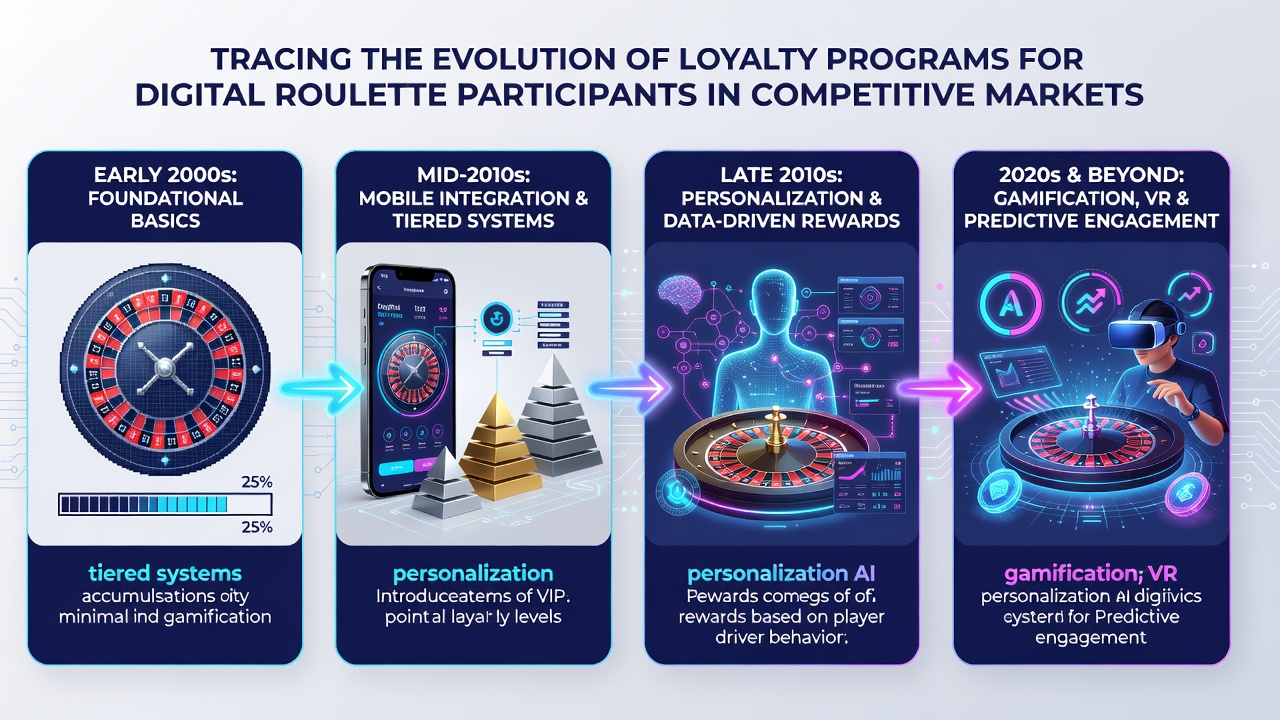
Competitive pressure in newly regulated North American markets after 2021 led programs to incorporate geolocation-based bonuses that activated only when participants logged in from approved jurisdictions, and these features required separate verification steps beyond standard account login. Canadian provincial regulators published aggregate figures in 2023 indicating that loyalty redemptions tied to roulette accounted for roughly 14 percent of total bonus volume processed through licensed sites in Ontario during the first full year of operation.
Blockchain-based tracking pilots launched in 2024 allowed cross-platform point portability in select European and Asian networks, although adoption remained limited to operators sharing common wallet infrastructure. Participants could view accumulated balances through unified dashboards that displayed both on-chain and traditional ledger entries side by side.
Developments Observed Through Mid-2026
By June 2026 several operators had introduced seasonal leaderboard events that awarded additional loyalty tiers based on weekly roulette volume rankings rather than cumulative lifetime play, and early participant data suggested these events increased short-term engagement among mid-tier accounts. Parallel updates to mobile interfaces enabled instant tier upgrades during live sessions when predefined wager milestones were reached within a single spin sequence.
Academic researchers at the University of Nevada, Las Vegas released a working paper in spring 2026 examining how loyalty structures influenced roulette bet-size distributions across regulated platforms, and their preliminary findings highlighted correlations between tier advancement speed and preference for inside-number wagers. The study drew from anonymized transaction records spanning four jurisdictions and emphasized the role of transparent terms in sustaining long-term participation rates.
Conclusion
Loyalty programs for digital roulette have progressed from uniform point systems to sophisticated frameworks that incorporate live data, regional compliance requirements, and individualized reward pathways. Continued refinement through 2026 reflects ongoing competition among operators and regulatory expectations for clarity around accrual, redemption, and expiration mechanics. Participants in these markets encounter structures that adapt to both platform capabilities and jurisdictional rules while maintaining consistent tracking across roulette variants.