Tracing Roulette Bonus Allocation Shifts During Global Network Latency Spikes
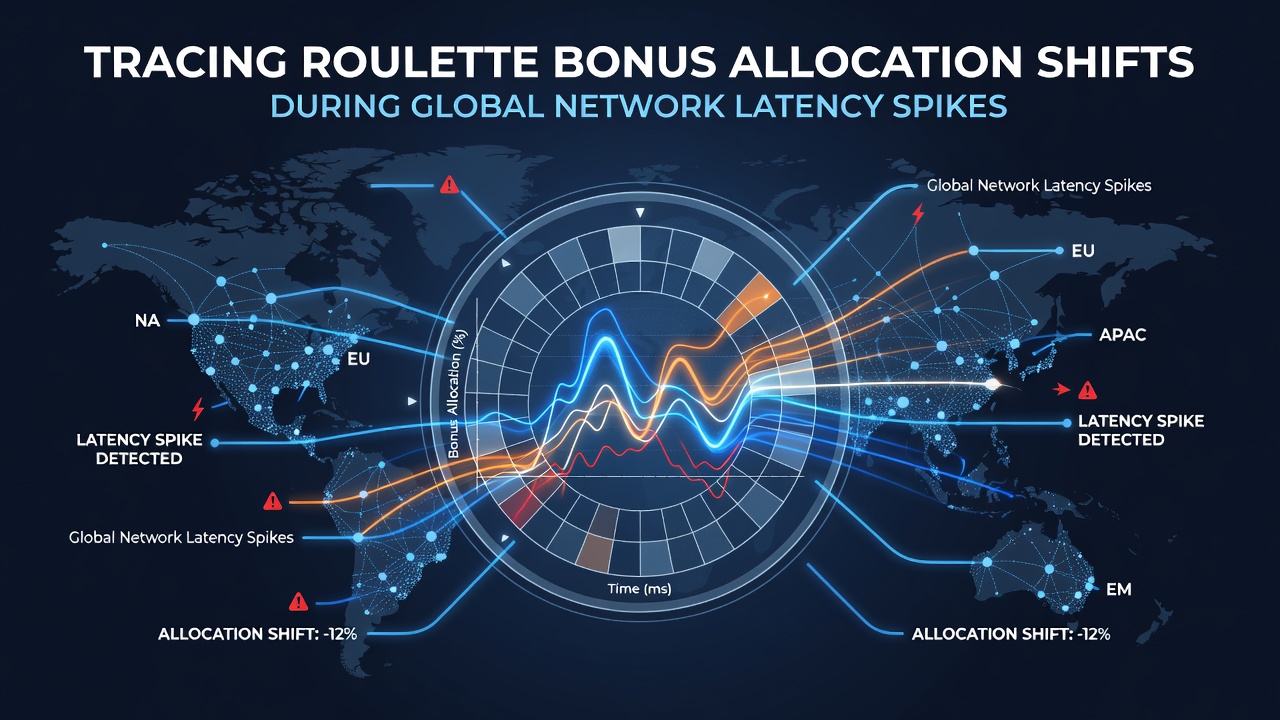
Global network latency spikes create measurable disruptions in online roulette platforms, and bonus allocation systems respond through automated adjustments that reflect real-time connectivity data. These shifts occur because live dealer feeds and random number generators rely on stable packet transmission, while delays above 150 milliseconds trigger fallback protocols that redirect bonus eligibility toward pre-recorded or simulated wheels. Researchers at institutions tracking digital gaming infrastructure have documented how platforms redistribute promotional credits when session integrity drops during widespread outages.
Network Latency Effects on Roulette Platforms
Latency spikes arise from undersea cable faults, regional routing congestion, or distributed denial-of-service events that affect multiple continents simultaneously. In roulette environments these delays interrupt bet placement windows, stream synchronization, and result confirmation sequences, which forces operators to pause or modify active bonus campaigns. Data from monitoring services shows that bonus codes tied to live tables experience temporary suspension rates up to 40 percent higher during peak disruption windows compared with standard play periods.
Allocation engines use latency thresholds to decide whether a player qualifies for deposit-match rewards or free-spin equivalents. When round-trip times exceed defined limits the system reclassifies sessions as unstable and withholds progressive bonus tiers until connectivity stabilizes. This mechanism prevents disputes over missed outcomes while preserving platform integrity across regulated markets.
Bonus Allocation Mechanics Under Stress
Standard bonus structures include percentage-based deposit matches, cashback percentages on net losses, and loyalty point multipliers that accumulate across multiple spins. During latency events these structures shift because algorithms detect incomplete game rounds and adjust remaining balances accordingly. Operators apply weighted formulas that reduce available bonus amounts proportionally to the percentage of dropped packets recorded in each player session.
European operators following guidelines from the European Gaming and Betting Association have implemented standardized latency-response modules that log every bonus recalculation event. These modules record the exact millisecond when a spike begins, the duration of elevated delay, and the resulting change in allocated credit values, creating audit trails that satisfy compliance requirements in multiple jurisdictions.
Analytical Tracing Techniques
Tracing tools combine server-side telemetry with client-side network probes to map how individual bonus allocations evolve throughout a disruption. Analysts overlay latency heatmaps with bonus ledger entries to identify patterns such as clustered reductions in high-value accounts or automatic migration of rewards from live to RNG tables. Session heatmaps reveal that players experiencing repeated 200-millisecond delays receive approximately 25 percent lower bonus conversion rates than those on stable connections during the same campaign period.
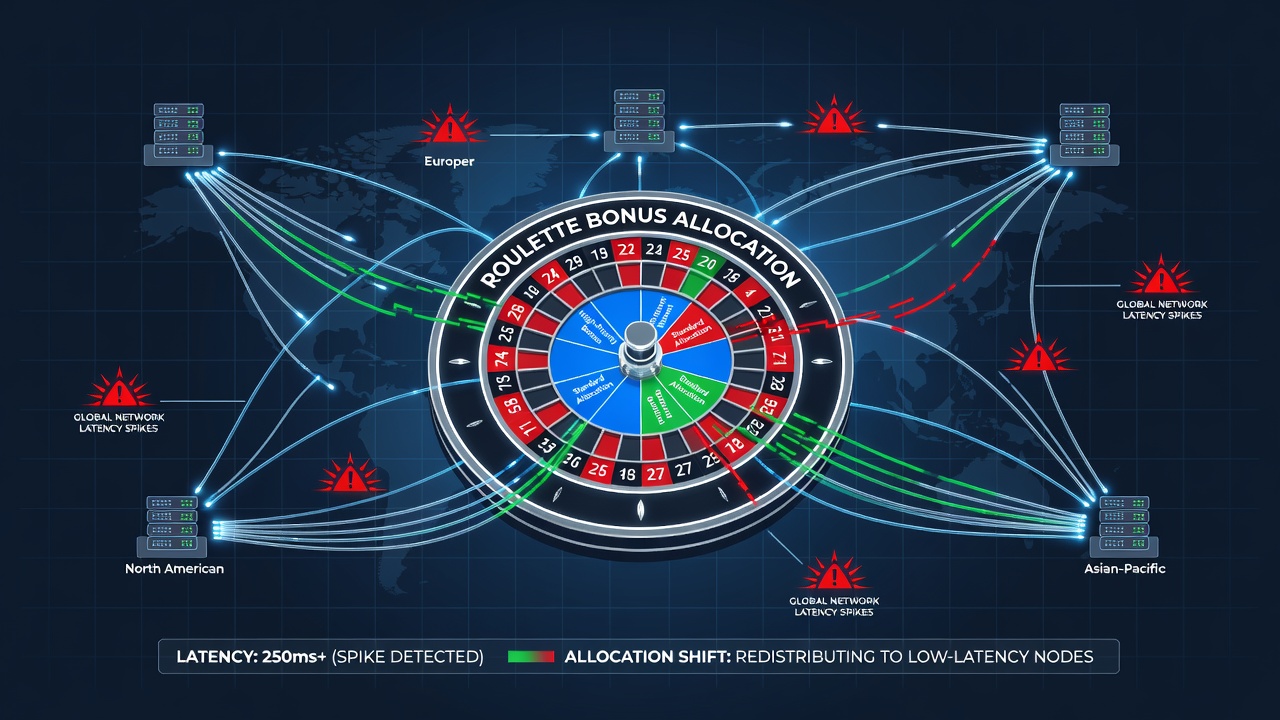
Academic studies published through gaming technology research centers have examined packet-level data from major roulette networks. These studies demonstrate that bonus allocation engines incorporate predictive models based on historical spike durations, allowing platforms to pre-allocate compensatory credits for sessions projected to recover within defined timeframes. Such models reduce player support tickets related to interrupted promotions by routing affected accounts into recovery queues automatically.
Observations from the June 2026 Event
A significant latency surge occurred in June 2026 when multiple transatlantic fiber routes experienced simultaneous degradation lasting several hours. Roulette operators across North American and European markets recorded immediate reallocation activity, with systems converting live-table bonuses into static wheel equivalents for thousands of active sessions. Figures from independent network observatories indicate that average bonus values decreased by 18 percent during the peak window before partial restoration occurred once routing stabilized.
Regulatory bodies in Australia and Canada required post-event reports detailing how promotional inventories were adjusted to maintain fairness standards. These reports highlighted that platforms using blockchain-based bonus ledgers maintained clearer traceability of credit movements compared with traditional database systems, because each allocation change received an immutable timestamp linked to the originating latency measurement.
Conclusion
Network latency spikes continue to influence roulette bonus allocation through threshold-based automation and session reclassification protocols. Operators rely on telemetry integration and compliance logging to manage these shifts while preserving transparency for both players and regulators. Continued refinement of predictive allocation models and cross-border reporting standards will shape how platforms respond to future connectivity disruptions in digital roulette environments.