Roulette Reward Ecosystems and Their Ties to Cross-Platform Data Synchronization in Emerging Regulatory Zones
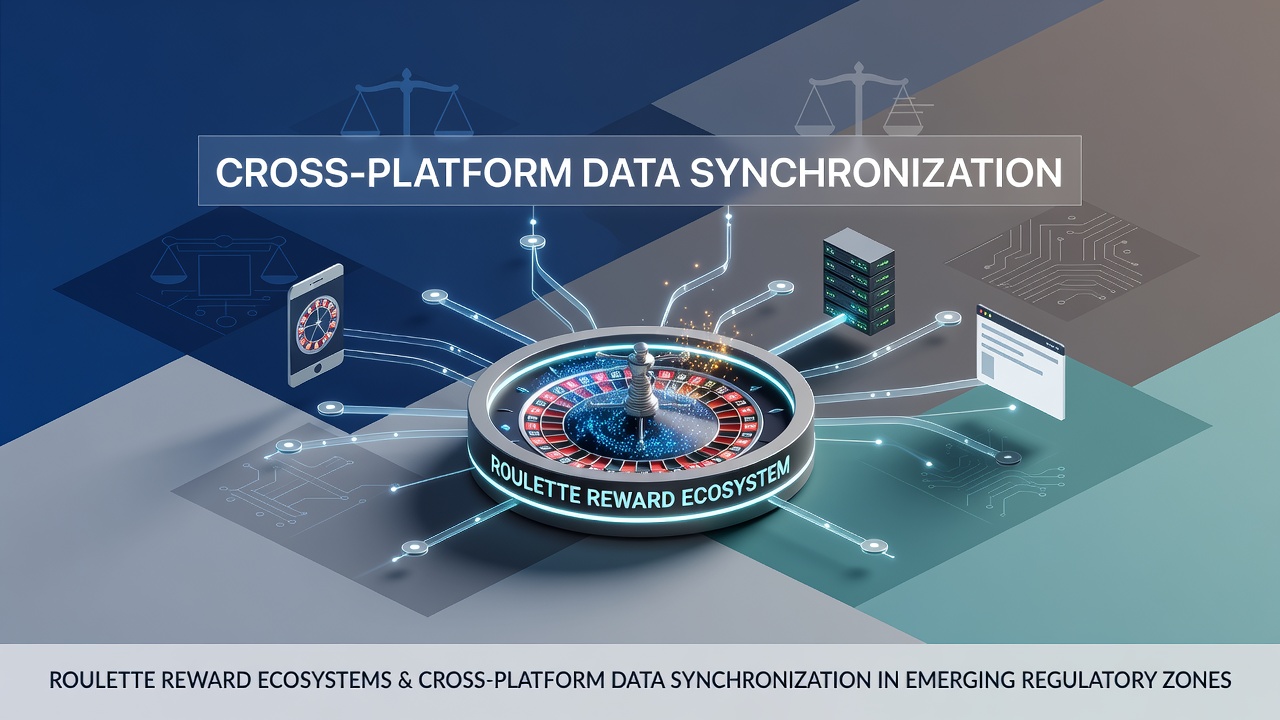
Operators in emerging regulatory zones have developed roulette reward ecosystems that link player incentives directly to synchronized data streams across multiple platforms, and these systems operate under frameworks established in regions such as Latin America and parts of Southeast Asia during 2025 and into July 2026. Data synchronization allows seamless tracking of player activity from mobile applications to desktop interfaces while maintaining compliance with local licensing requirements.
Core Components of Roulette Reward Ecosystems
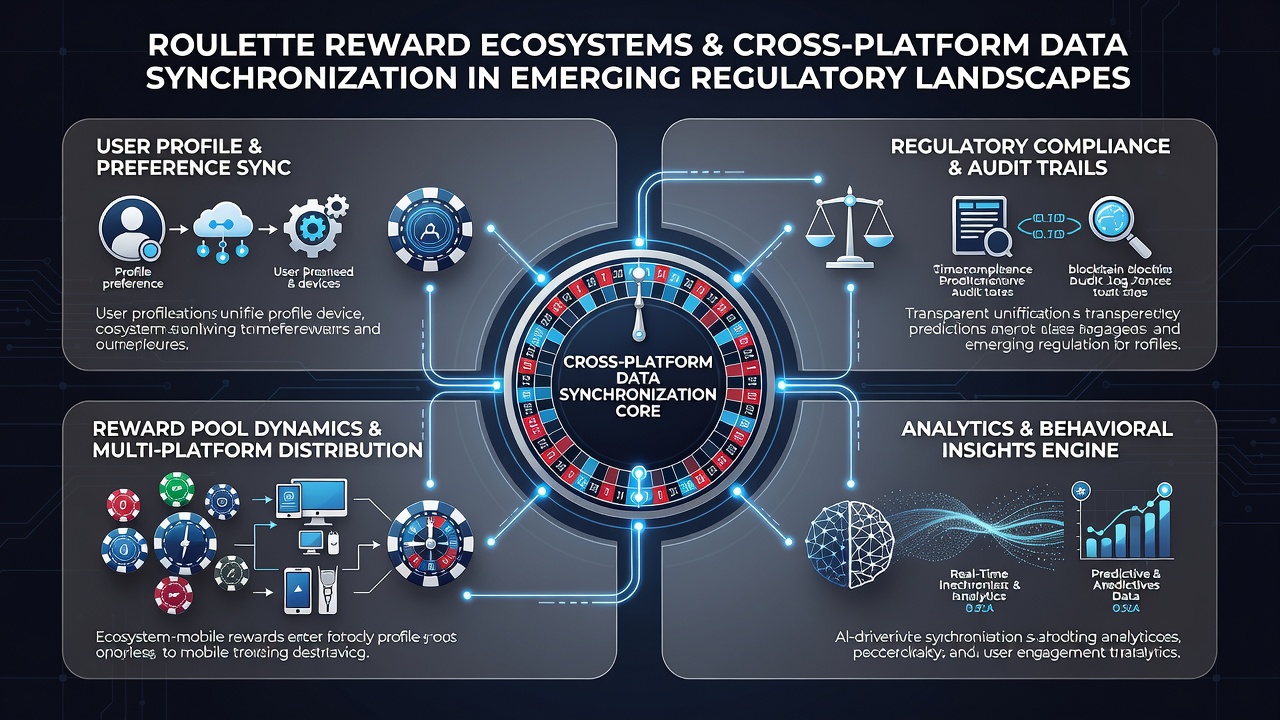
Reward ecosystems in roulette environments consist of tiered loyalty structures, deposit match mechanisms, and volatility-adjusted bonus pathways that adjust based on real-time session data, yet these elements function only when cross-platform synchronization maintains accurate player profiles across devices. Researchers at the University of Nevada Reno documented how operators in regulated markets use centralized ledgers to update reward eligibility within milliseconds of a spin outcome, which prevents duplication of offers while preserving the integrity of clearance requirements.
Emerging zones in Brazil and the Philippines introduced data-sharing mandates in early 2026 that require operators to maintain synchronized records for at least 90 days after each session ends, adn these rules support both tax collection and responsible gaming protocols. One study from the Asian Gaming Research Institute revealed that platforms operating under these mandates reduced discrepancies in bonus tracking by 47 percent compared to unsynchronized systems used prior to regulatory updates.
Cross-Platform Data Synchronization Mechanisms
Synchronization occurs through application programming interfaces that connect live dealer roulette tables with online wheel variants, allowing reward points earned on one platform to transfer automatically to another without manual intervention. Observers note that this process relies on encrypted token exchanges that update player status across jurisdictions while respecting data localization laws in each territory.
During July 2026 several operators in Mexico expanded their synchronization frameworks to include wearable device integrations, which track session duration and link those metrics to reward multipliers available on both mobile and land-based terminals. Figures from the Mexican National Gaming Commission indicate that synchronized systems processed over 12 million cross-device transactions in the first half of the year alone.
Regulatory Influences on Ecosystem Design
Emerging regulatory zones have shaped reward ecosystems by imposing requirements for transparent data flows that protect player information while enabling operators to offer personalized incentives. The European Gaming and Betting Association published guidelines in 2025 that influenced similar standards adopted in Colombia and Vietnam, where synchronization must occur within defined latency thresholds to qualify for licensing renewal.
Those who monitor these markets report that synchronization also supports audit trails required for dispute resolution, and platforms must retain records of every reward adjustment triggered by a synchronized event. Data from the International Association of Gaming Regulators shows that jurisdictions implementing these standards experienced a 31 percent drop in player complaints related to bonus eligibility between 2024 and mid-2026.
Practical Implementation Across Jurisdictions
Operators in emerging zones coordinate with local technology providers to build synchronization layers that align with both technical standards and cultural preferences for game presentation. In one documented case from Argentina, a major platform synchronized roulette reward data between its online casino and partnered betting shops, which allowed players to redeem accumulated points at physical locations without separate registration steps.
Additional examples appear in Thailand's pilot regulatory framework launched in late 2025, where cross-platform tracking supports seasonal promotions tied to national festivals, and synchronization ensures that reward caps reset uniformly across all connected devices. These implementations demonstrate how data flows underpin the operational stability of roulette ecosystems in markets still developing comprehensive gaming legislation.
Conclusion
Roulette reward ecosystems continue to evolve alongside cross-platform synchronization technologies as emerging regulatory zones refine their oversight approaches through 2026. The connections between these systems enable consistent player experiences while meeting compliance demands across diverse geographic and legal landscapes.