Regional Licensing Shifts Reshaping Roulette Perk Access Patterns Worldwide
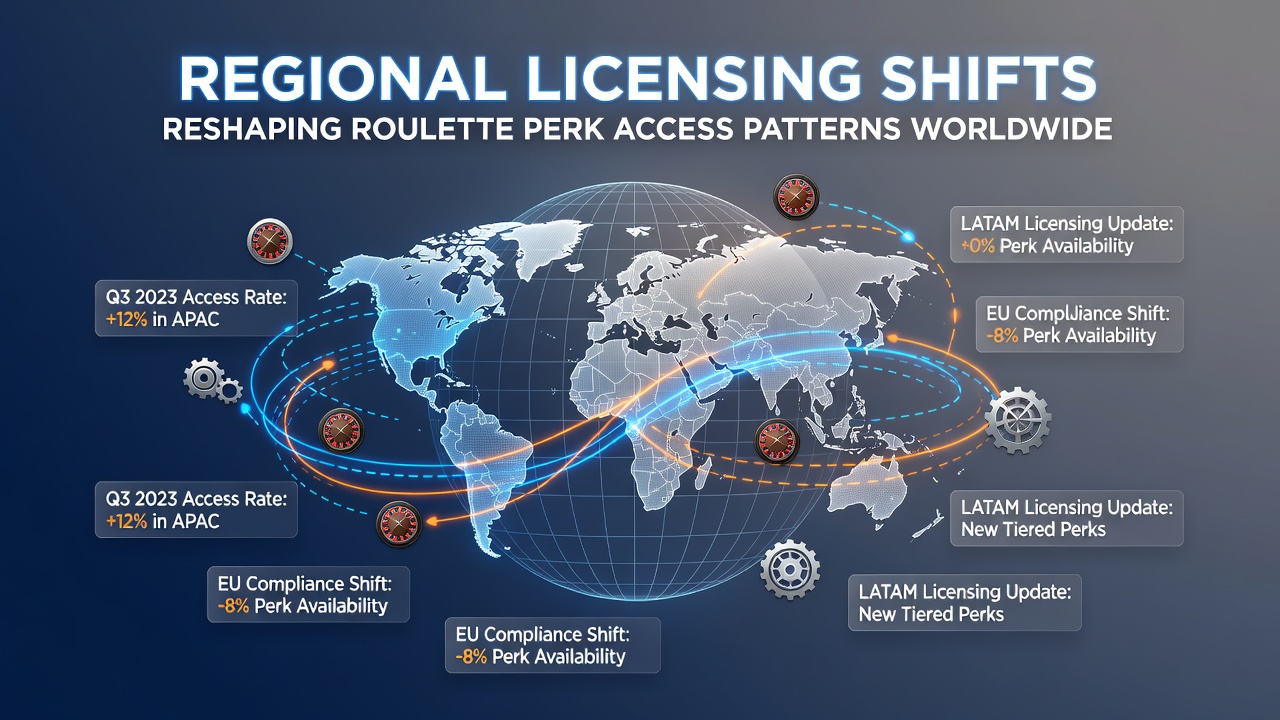
Regulatory adjustments across multiple jurisdictions continue to alter how players gain entry to roulette perks such as deposit matches, cashback structures, and loyalty tier benefits. Licensing frameworks in Europe, Asia-Pacific, and the Americas drive these modifications through updated compliance requirements that operators must follow when distributing promotional offers tied to digital wheel games.
European Framework Adjustments and Perk Eligibility
Countries within the European Union implemented revised licensing protocols throughout 2025 that carried forward into July 2026, requiring operators to verify player residency more stringently before unlocking sequential bonus pathways. Data from the European Gaming and Betting Association indicates that these measures reduced cross-border perk availability by restricting automatic enrollment in tiered reward programs for users whose accounts originate outside approved national borders.
Operators adjusted their roulette promotion algorithms accordingly, segmenting no-deposit offers adn reload bonuses by license type rather than by universal account status. Players in nations with newly harmonized rules found that clearance pathways for bonus funds now demand longer session durations to meet wagering thresholds, while those in regions with legacy agreements retained shorter conversion timelines.
Asia-Pacific Regulatory Developments
Authorities in several Asia-Pacific markets introduced licensing expansions during the first half of 2026, which expanded operator participation yet imposed tighter geographic controls on perk distribution. Research compiled by regional gaming oversight bodies shows that roulette reward structures in these areas shifted toward localized loyalty programs that tie eligibility to national payment systems and verified addresses.
Sequential perk pathways, once accessible through international platforms, now route through separate regional portals where bonus momentum builds only after compliance checks clear. Observers note that cultural event tie-ins, such as festival-themed promotions, became more prevalent as operators sought to align offers with domestic licensing conditions rather than global campaigns.
North American Market Realignments
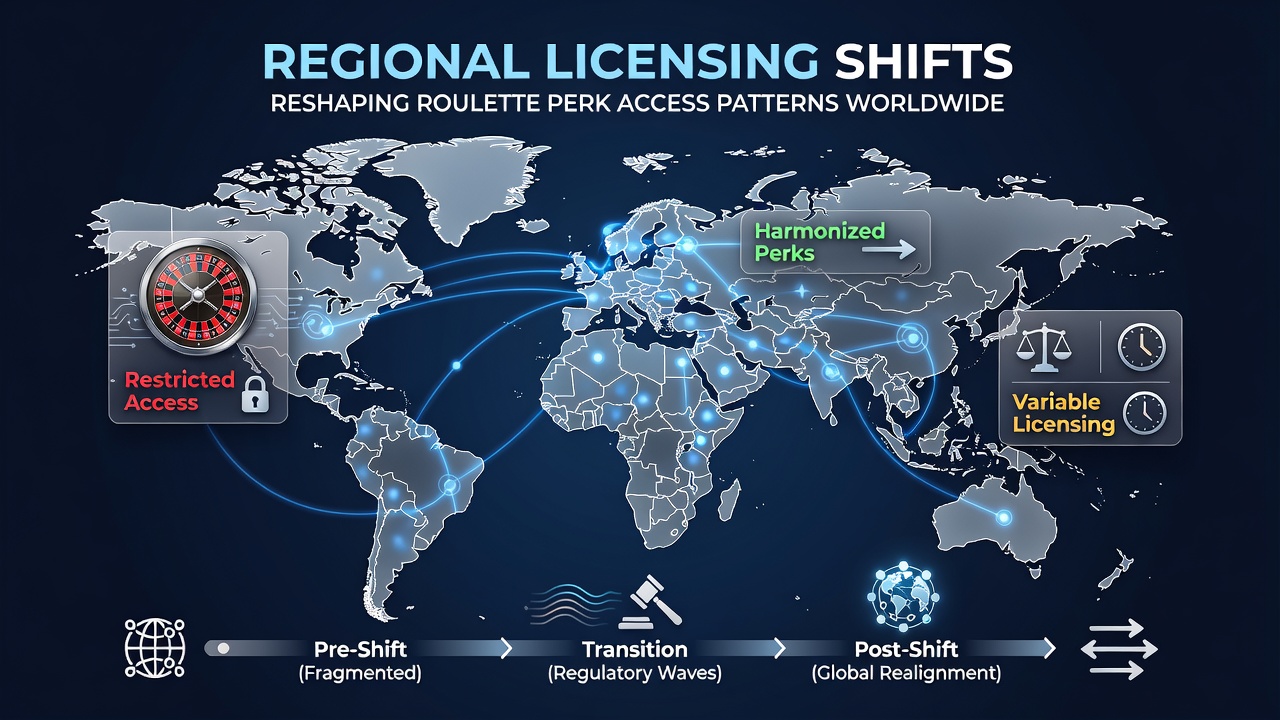
State-level and provincial regulators in North America continued to refine licensing criteria through mid-2026, affecting how online roulette platforms deliver high-roller boosts and mobile-specific incentives. Figures released by the National Council on Problem Gambling reveal that jurisdictions adopting shared licensing compacts experienced smoother transitions for players moving between platforms, whereas standalone licensing regimes created fragmented access patterns where certain reload offers remained unavailable across state lines.
Those tracking these developments report that geolocation verification tools now integrate directly with perk activation sequences, preventing bonus claims until the system confirms alignment with the active license. This approach reduced instances of overlapping promotions yet lengthened the time required for players to progress through tiered reward systems.
Impact on Bonus Clearance and Player Sessions
Analyses of session heatmaps from multiple platforms demonstrate that licensing shifts correlate with extended average play durations in regions where new rules apply. Operators recalibrated expiration timelines for roulette promotions to match the stricter verification windows, resulting in fewer forfeited bonuses but also slower accumulation of loyalty points.
Take one platform operator that adjusted its European-facing sites after updated Maltese licensing guidance took effect: the company separated its perk ecosystems so that users in compliant markets accessed cashback structures immediately, while others encountered delayed eligibility pending additional documentation. Similar patterns emerged in South American jurisdictions where local authorities required operators to maintain separate bonus ledgers for each licensed territory.
Global Patterns in Roulette Perk Ecosystems
Cross-border gaming networks reveal consistent trends where licensing changes prompt operators to adopt blockchain-based tracking for reward eligibility. This method ensures that perk activation respects the originating license while allowing transparent auditing across different regulatory environments. Industry reports from the International Association of Gaming Regulators highlight that such systems became standard practice by July 2026, particularly for platforms offering live dealer roulette variants.
Players navigating these ecosystems encounter varied access based on their registered jurisdiction, with some regions favoring deposit-match structures tied to seasonal tournaments and others emphasizing loyalty drops distributed through invite-only mechanisms. The result is a more segmented global landscape where roulette perk availability reflects local licensing priorities rather than uniform platform policies.
Conclusion
Licensing shifts continue to influence roulette perk access patterns by enforcing jurisdiction-specific rules on bonus distribution, verification processes, and reward timelines. Operators respond through segmented systems that align promotions with regulatory requirements, while players experience differentiated pathways depending on their location. These developments, observed through regulatory data and platform adjustments through July 2026, underscore the ongoing evolution of global digital gaming frameworks.