Navigating Roulette Perk Ecosystems via Blockchain Ledger Tracking in Cross-Border Gaming Networks
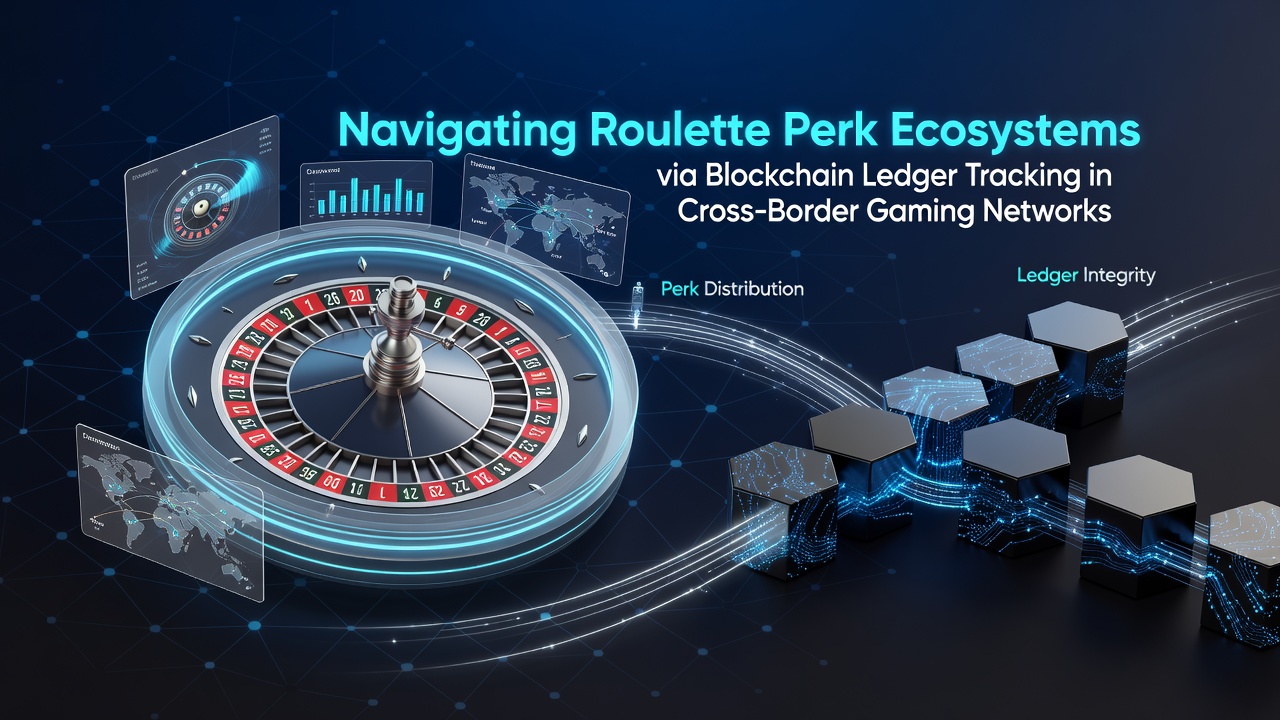
Blockchain technology has entered roulette perk management through distributed ledgers that record bonus allocations, redemptions, and compliance data across multiple jurisdictions, and observers note that these systems create immutable trails for every transaction while operators handle cross-border player accounts.
Networks spanning Europe, North America, and Asia Pacific rely on these ledgers to synchronize perk eligibility because different regulatory frameworks impose varying requirements on bonus structures, wagering conditions, and player verification, yet the shared database allows real-time updates that reduce discrepancies between platforms operating under separate licenses.
Core Mechanisms of Ledger-Based Perk Tracking
Each roulette bonus enters the ledger as a smart contract entry that encodes deposit matches, free spin quantities, and clearance timelines, after which the system timestamps every spin outcome and tracks progress toward release conditions without requiring manual reconciliation between sites.
Operators integrate these contracts with existing random number generators so that results feed directly into the chain, and researchers have documented cases where this automation shortened audit cycles from weeks to hours because every data point remains accessible to authorized parties through cryptographic keys.
Cross-Border Data Synchronization Challenges
Jurisdictional differences in data residency rules create friction when ledgers must store information on nodes located in multiple countries, and in June 2026 several networks began testing sharded architectures that partition records while maintaining a unified view for perk calculations across borders.
Players moving between platforms encounter fewer delays because the ledger verifies prior activity without exposing full account histories, yet compliance teams still review aggregated reports to confirm adherence to local limits on bonus values and playthrough multipliers.
Implementation Examples in Regulated Markets
One network operating across Canadian provinces and Australian states uses permissioned blockchain nodes hosted by licensed operators, which allows each regulator to query the same dataset for verification while preserving commercial confidentiality through selective disclosure protocols, and figures from industry reports indicate that such setups have reduced duplicate bonus claims by measurable percentages since deployment.
Another initiative in the European Economic Area connects roulette platforms through a consortium ledger that records tier progression and loyalty points, enabling seamless transfers when players relocate or switch operators under mutual recognition agreements.

Academic studies from institutions examining distributed ledger applications in entertainment industries show that transaction finality occurs within seconds when consensus algorithms prioritize speed over full decentralization, and this speed matters for live dealer roulette sessions where bonus triggers must activate instantly to maintain game flow.
Regulatory Oversight and Audit Trails
Authorities in multiple regions now request ledger exports during routine inspections because the data format provides chronological proof of bonus issuance and player compliance, while industry associations have published guidelines recommending standardized data fields that simplify cross-jurisdiction comparisons without mandating full system interoperability.
These trails also support responsible gaming measures by flagging unusual perk accumulation patterns that might indicate account sharing or automated play, and data from monitoring programs reveal that early detection rates improved after ledger adoption in several networks.
Operators report that integration costs remain significant during initial rollout because legacy bonus engines require custom adapters to write and read from the chain, yet ongoing maintenance expenses decrease once the system stabilizes and fewer manual interventions become necessary.
Future Developments in Perk Ecosystems
Developers continue refining zero-knowledge proofs that let players demonstrate eligibility for a perk without revealing underlying transaction details, and pilot programs launched in early 2026 tested these methods on roulette platforms serving international users under varying tax regimes.
Supply chain elements such as third-party bonus providers and payment processors are gradually joining the same ledgers, which creates end-to-end visibility from promotion creation through final clearance, and participants in these expanded networks gain clearer insight into how funds flow across borders.
Conclusion
Blockchain ledger tracking has become a practical tool for managing roulette perks within cross-border gaming networks by delivering consistent records that satisfy multiple regulators and operators simultaneously, while technical refinements continue to address speed, privacy, and cost barriers that previously limited wider adoption.