Mapping Bonus Expiration Timelines Against Player Session Durations in Digital Wheel Games
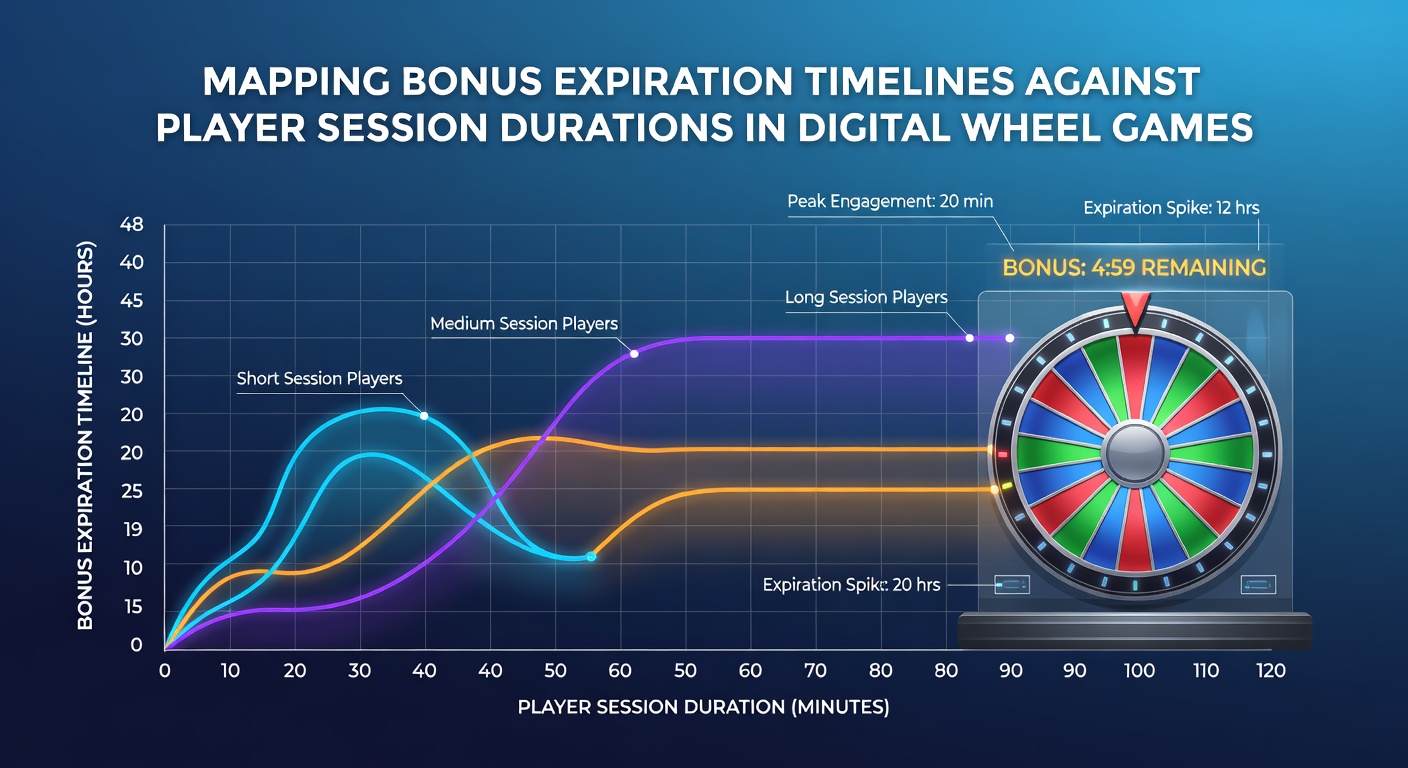
Digital wheel games continue to evolve with layered bonus structures that tie directly into how long participants remain active on platforms, and mapping these expiration timelines against average session lengths reveals patterns that operators and analysts track closely each season. Data from multiple regions shows that bonus windows often range from several hours to full weeks, while player engagement periods fluctuate based on game type, device access, and promotional triggers.
Core Elements of Bonus Structures in Wheel Formats
Operators design expiration periods around deposit matches, free spin allocations, and cashback mechanisms, with many systems activating clocks the moment a player claims an offer or completes a qualifying deposit. These timelines intersect with session data collected through platform analytics, where researchers have noted that shorter windows tend to cluster around high-volatility wheel variants while extended periods align with steady-play formats. Platforms operating under frameworks like those monitored by iGaming Ontario have reported that bonus activations in May 2026 frequently incorporated dynamic adjustments tied to real-time session metrics, allowing systems to extend or contract remaining time based on engagement velocity.
Session Duration Patterns Across Regions
Studies compiled by the Australian Gambling Research Centre indicate average continuous play intervals for digital wheel titles fall between 22 and 47 minutes for mobile users, whereas desktop sessions extend to 65 minutes on average when multiple wheels run simultaneously. These figures shift during promotional windows, as participants who enter with active bonuses often sustain longer stretches before logging off. Observers note that European operators using data from the European Gaming and Betting Association have tracked similar distributions, with evening peaks producing the longest unbroken runs and midday activity showing quicker exits once initial spins conclude.
Aligning Timelines With Measured Play Lengths
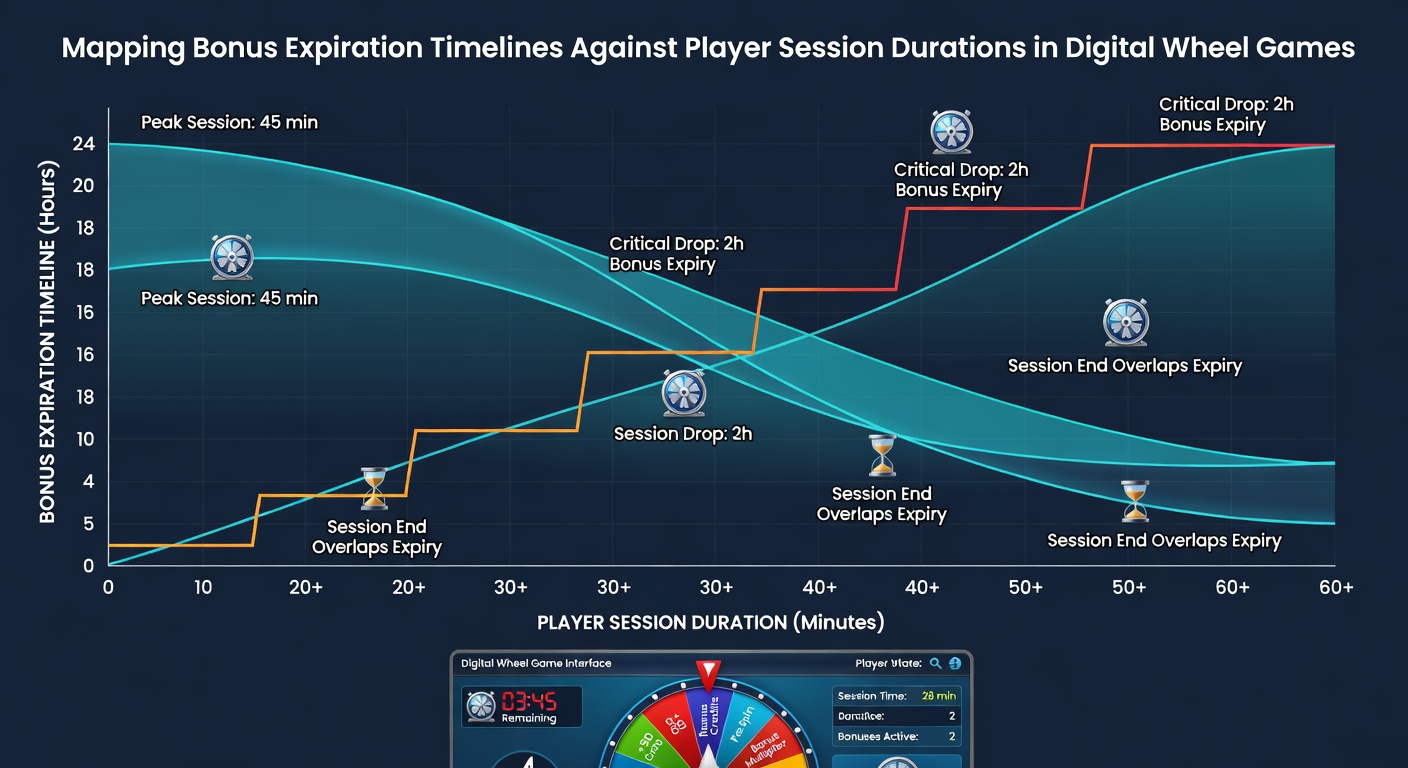
When expiration clocks run shorter than typical session spans, many players finish their activity before the window closes, which reduces unused balance carryover and keeps promotional liabilities contained. Conversely, longer expirations allow multiple disjointed sessions to draw from the same allocation, creating layered engagement across days. Analysts mapping these variables in 2026 datasets have found that a 48-hour bonus window captures roughly 78 percent of total session time for most wheel participants, while 24-hour limits align with only 41 percent of cumulative play across the same cohort. This mapping helps platforms calibrate offers so that expiration points land near natural drop-off moments rather than cutting active cycles short.
Variables That Shape the Relationship
Device type, network stability, and concurrent promotions all influence how closely bonus expirations match actual session lengths, since interruptions or competing offers can fragment play into shorter bursts. Those who study retention metrics point out that loyalty tier upgrades often reset or extend timelines automatically, which extends the effective window for higher-volume participants whose sessions already trend longer. Geographic differences appear as well, with North American platforms showing tighter alignment between expirations and evening session blocks compared to Asian markets where fragmented daytime play dominates the recorded data.
Platform Adjustments Observed in Mid-2026
By May 2026 several major digital wheel providers introduced adaptive expiration engines that reference historical session curves before finalizing offer durations, reducing instances where unused bonus time exceeded 30 percent of total allocation. These engines pull from aggregated logs rather than individual accounts, maintaining compliance while optimizing the overlap between promotional periods and measured engagement arcs. One documented case involved a multi-wheel lobby that shortened its standard seven-day window to 96 hours after internal mapping showed most returning players completed their activity within three days of claim.
Conclusion
The ongoing process of mapping bonus expiration timelines against player session durations supplies operators with concrete parameters for structuring offers that fit actual usage rhythms in digital wheel environments. Continued refinement of these alignments supports efficient resource allocation while reflecting the documented patterns that emerge from regional data sets and platform analytics each year.