How Cultural Events Reshape Roulette Perk Structures in Global Digital Platforms
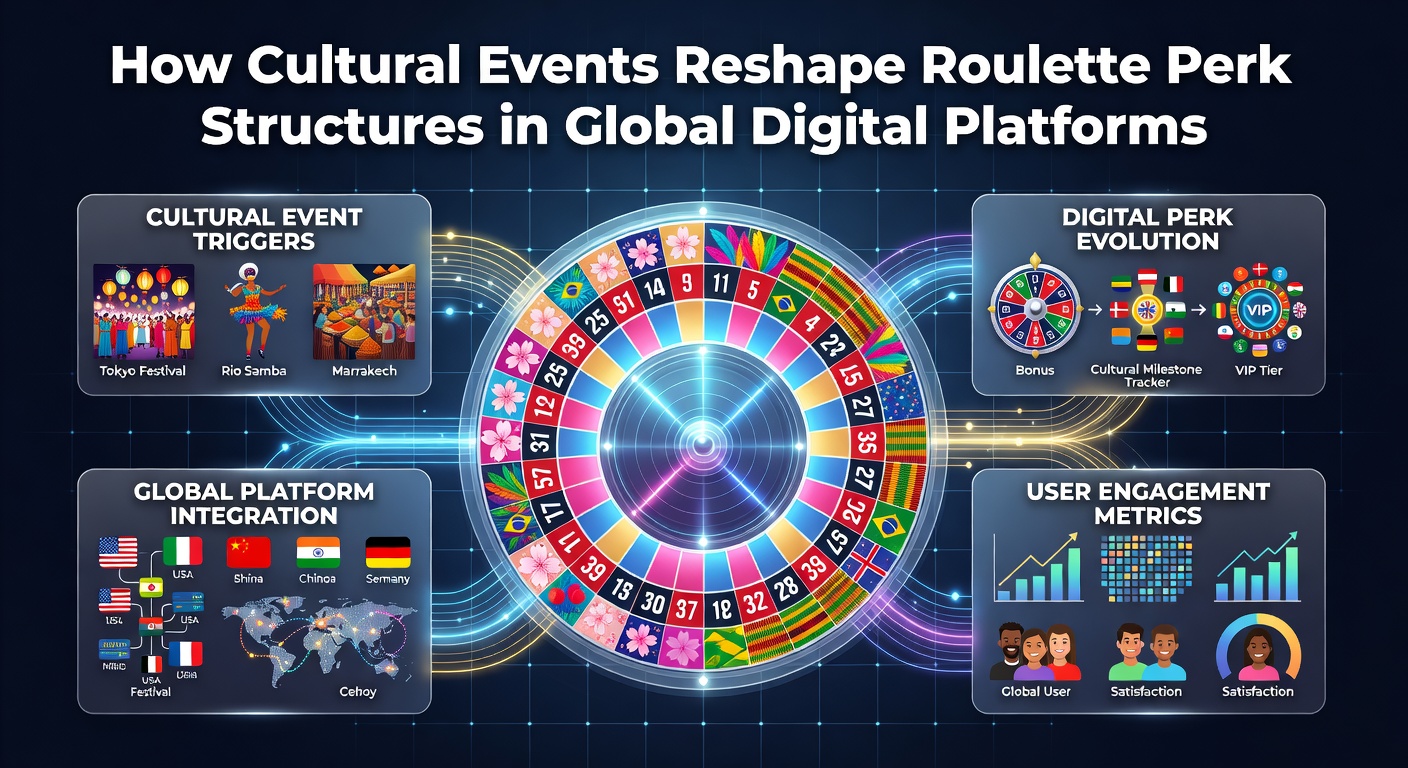
Cultural events around the world trigger specific adjustments in roulette perk structures on digital platforms as operators align reward mechanisms with seasonal player behaviors and regional traditions, and these shifts appear consistently across markets from Asia to the Americas. Platforms modify deposit multipliers, loyalty point accelerators, and cashback percentages during periods like Lunar New Year or Carnival, creating temporary structures that differ from standard offerings while maintaining compliance with local regulations.
Festival-Driven Adjustments in Asian Markets
During Lunar New Year celebrations operators in Singapore and Macau-linked platforms introduce red envelope style deposit bonuses that apply directly to roulette sessions, and these offers often include tiered multipliers based on wager volume completed within the event window. Researchers tracking activity through 2025 and into May 2026 note that platforms extend free bet credits tied to zodiac-themed challenges, allowing players to unlock additional spins on European wheel variants after completing cultural trivia tasks or participation milestones. Data from regional industry reports shows participation spikes of 40 to 60 percent during these windows compared to baseline months, prompting platforms to recalibrate expiration timelines so that earned perks remain active for 14 to 21 days rather than the usual seven.
Similar patterns emerge around Diwali in Indian-facing platforms where operators layer cashback structures onto roulette tables with added multipliers for consecutive days of play, and these mechanics frequently incorporate light-themed visual updates that coincide with the festival period. Observers note that such changes encourage longer session durations without altering core house edge calculations, since the underlying random number generators stay consistent while only the overlay rewards fluctuate.
Sports and Seasonal Events in Western Platforms
Major sporting occasions such as the lead-up to the 2026 FIFA World Cup generate parallel adaptations where platforms in North America and Europe attach goal-celebration cashback tiers to roulette bets placed during match windows, and these structures activate automatically when live events overlap with peak playing hours. In May 2026 pre-tournament promotions already appear on several global sites, offering boosted reload percentages for players who link accounts to verified regional payment methods during national team qualifier periods. Those who have studied transaction logs across multiple operators report that cashback rates rise from standard 10 percent to 25 percent during high-profile matches, yet total liability caps remain fixed to control platform exposure.
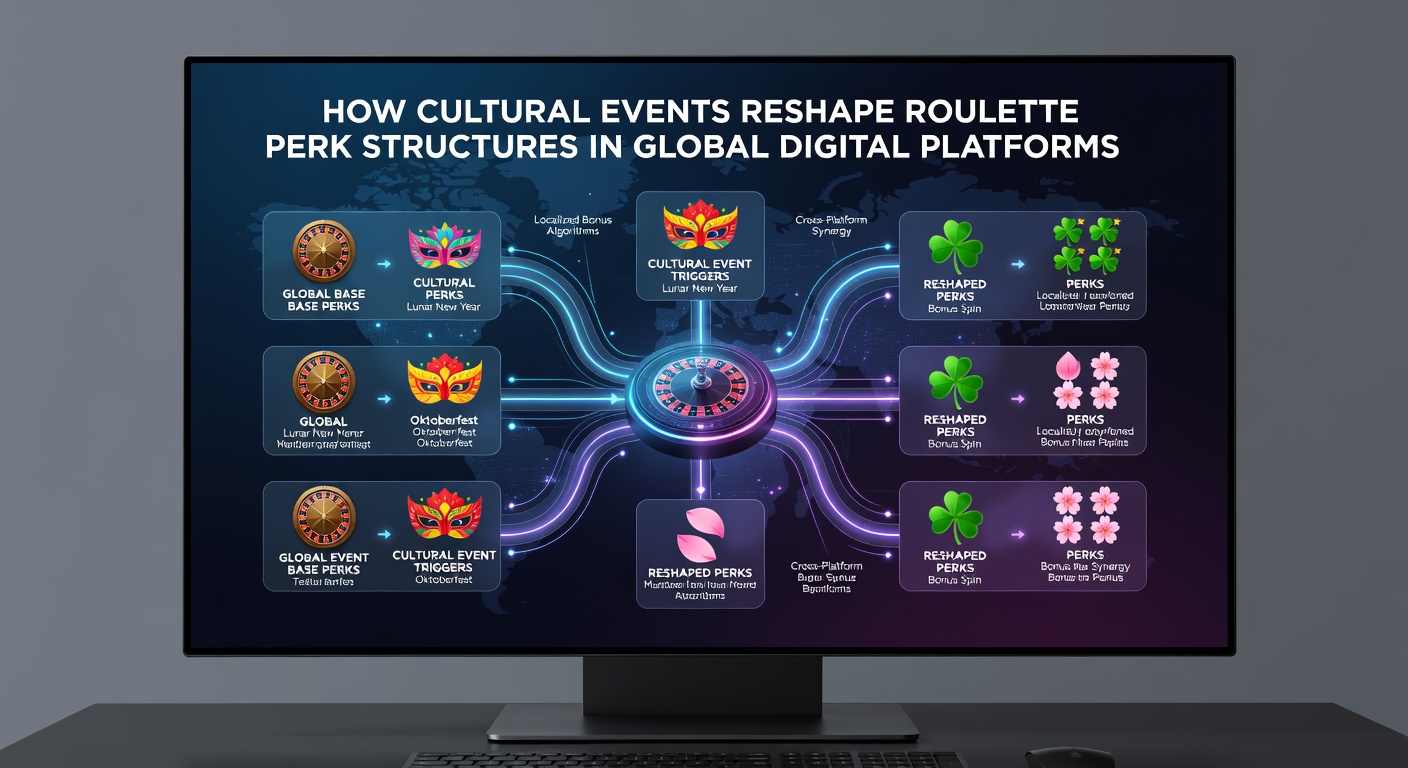
Carnival celebrations in Brazilian markets produce distinct perk pathways where operators introduce parade-float progress bars that convert accumulated roulette wagers into tiered loyalty rewards, and these systems often reset weekly to align with ongoing festival schedules. Platforms coordinate these features with local time zones to maximize engagement during evening street events, resulting in measurable increases in mobile session lengths documented by industry analytics firms.
Regulatory and Platform Response Patterns
Regulatory frameworks in different jurisdictions influence how quickly platforms can deploy event-specific structures, and Canadian provincial oversight bodies require advance notification for any temporary bonus modifications while Australian state regulators focus on responsible gambling messaging embedded within festival promotions. Platforms therefore schedule perk rollouts weeks ahead of cultural peaks to satisfy documentation requirements, which explains why early May 2026 previews for upcoming summer events already circulate among operators. Industry associations such as the Canadian Gaming Association publish quarterly summaries that track these timing adjustments across member platforms.
Global operators further differentiate structures by player geography, so a user in one region sees Diwali-linked multipliers while another receives Carnival cashback tiers, and backend systems handle localization through IP detection combined with account preference settings. This segmentation allows platforms to maintain a single core roulette engine while swapping only the reward overlays, which reduces development overhead during frequent cultural cycles.
Observed Trends Through Mid-2026
Transaction data compiled through spring 2026 indicates that platforms incorporating cultural event tie-ins sustain higher retention rates into subsequent months compared to those relying solely on standard loyalty programs, and this pattern holds across both desktop and mobile channels. Analysts attribute the difference to the perceived novelty of limited-time mechanics rather than any change in game mathematics. Platforms also experiment with cross-event chaining where unused perks from one festival convert into credits for the next major occasion, creating continuous engagement loops without violating single-event liability limits.
Conclusion
Cultural events continue to drive measurable evolution in roulette perk structures across global digital platforms as operators refine reward timing, localization, and conversion mechanics to match regional calendars. These adaptations remain grounded in existing regulatory boundaries and technical capabilities, producing temporary variations that reset after each event cycle. Continued observation through 2026 will reveal whether these patterns stabilize into predictable annual frameworks or diversify further as new markets adopt similar strategies.