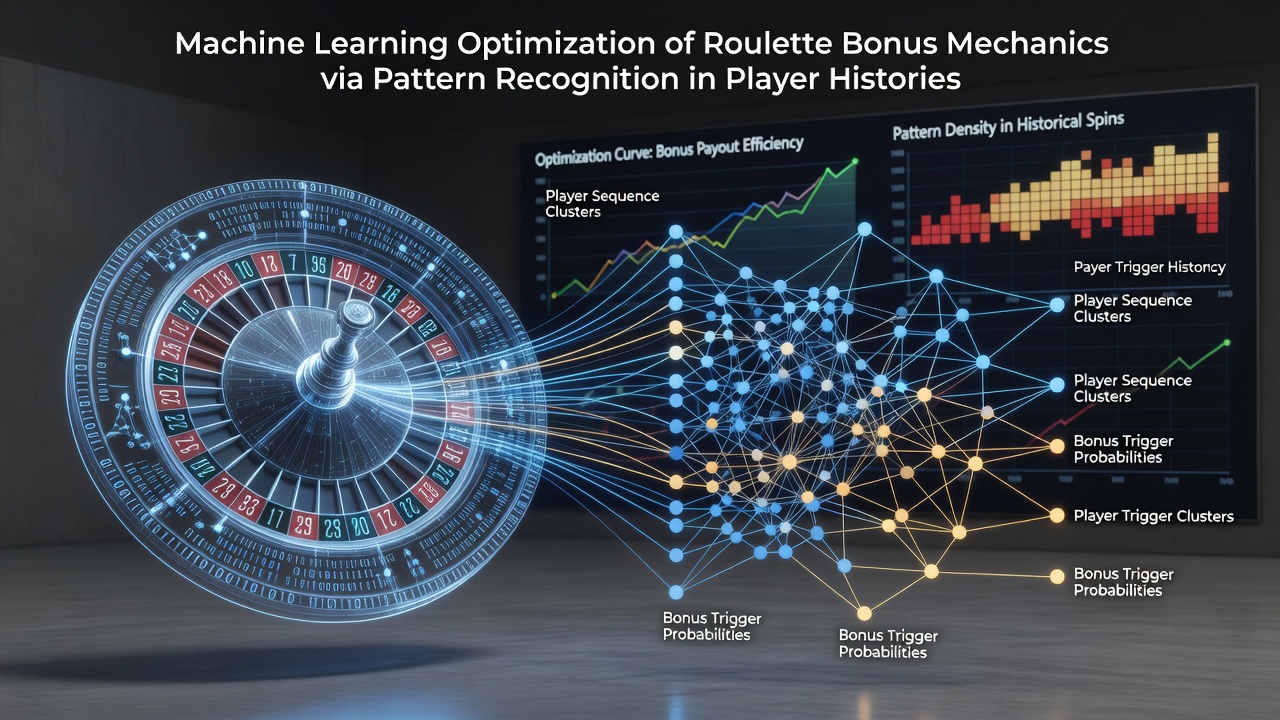
Enhancing Roulette Promotional Systems Through Machine Learning and Historical Data Pattern Analysis
Digital gaming platforms have integrated machine learning models to refine roulette bonus structures by examining extensive records of player activity over multiple sessions and across varied timeframes. These systems process datasets that include bet sizes, frequency of participation, and outcomes from European and American wheel variants, allowing operators to adjust promotional parameters such as deposit match percentages and wagering requirements. Research conducted at institutions like the University of Nevada, Reno demonstrates that clustering algorithms can segment users into groups based on historical patterns, which then informs targeted incentive distributions without manual intervention.
Pattern recognition techniques rely on supervised learning frameworks where models train on labeled data from past promotions to predict which bonus types correlate with extended engagement periods. For instance, decision tree classifiers identify sequences where players who receive reload offers after a specific number of spins tend to maintain consistent activity levels, while neural networks process time-series data to detect shifts in betting behavior that precede account inactivity. In August 2026 several platforms updated their backend systems to incorporate these refined models, resulting in automated adjustments that align bonus expiration timelines with observed session durations recorded in regulatory filings from the Nevada Gaming Control Board.
Core Components of Pattern Recognition Models
Feature extraction forms the foundation of these optimization processes, where variables such as average wager per spin, preferred wheel types, and response rates to previous cashback offers feed into dimensionality reduction methods like principal component analysis. This approach reduces noise in large player histories, enabling k-means clustering to group individuals with similar trajectories and highlight opportunities for personalized reward pathways. Studies published by the Australian Institute of Gambling Research indicate that such segmentation improves clearance rates for bonus funds when models account for regional variations in player preferences across Asia-Pacific markets.
Reinforcement learning agents further enhance these mechanics by simulating long-term sequences of bonus deployments and measuring cumulative player retention metrics against baseline scenarios. The agents receive feedback from metrics including deposit frequency and total handle generated, allowing iterative refinement of offer values. Observers note that platforms employing these methods report measurable shifts in how sequential perks unfold, moving from static welcome packages to dynamic structures that respond to real-time pattern updates in user logs.
Integration With Regulatory and Platform Data Streams
Compliance requirements from bodies such as the Malta Gaming Authority necessitate transparent documentation of how algorithmic decisions affect bonus eligibility, particularly when pattern recognition influences geolocation-based adjustments. Data pipelines combine anonymized player histories with external signals like device types and session timestamps, feeding into random forest models that forecast the likelihood of bonus abuse or early withdrawal. These outputs help platforms maintain adherence to licensing conditions while optimizing promotional spend across multiple jurisdictions.
One study revealed that incorporating heatmap visualizations of betting sequences against clearance pathways allows operators to identify friction points where players abandon bonus rounds. This integration supports the creation of tiered reward structures that scale based on cumulative activity thresholds derived from historical aggregates rather than fixed rules. Platforms in emerging markets have adopted similar frameworks to align tournament formats with seasonal player trends documented in industry reports from the Canadian Gaming Association.

Technical Implementation Across Different Markets
Deployment varies by platform scale, with smaller operators utilizing cloud-based services that apply gradient boosting machines to historical datasets spanning several years of roulette activity. Larger networks maintain on-premise clusters capable of processing streaming data from live dealer sessions, updating model weights daily to reflect new patterns in player responses to volatility adjustments. Evidence from academic papers on recommender systems in gaming contexts shows that hybrid models combining collaborative filtering with content-based features yield higher precision in matching bonus mechanics to individual histories.
Cross-border networks introduce additional layers where geolocation patterns interact with reward eligibility, requiring models to account for regulatory differences between regions. Machine learning pipelines handle this by training separate sub-models for each jurisdiction before aggregating insights at the global level, ensuring that pattern recognition respects local constraints on promotional mechanics. Those who have examined these systems note the importance of feature engineering steps that normalize data across currencies and time zones to prevent bias in clustering outputs.
Future Directions in Algorithmic Refinement
Continued development focuses on incorporating explainable AI techniques to provide clearer rationales for why specific bonus adjustments occur based on detected patterns. This addresses demands from oversight entities for accountability while preserving the performance gains from complex models. Platforms testing these enhancements in controlled environments during mid-2026 have documented improved alignment between predicted and actual player trajectories in roulette environments.
Conclusion
Machine learning approaches to pattern recognition in player histories continue to shape how roulette bonus mechanics evolve across digital platforms. By processing historical sequences through established algorithmic methods, operators achieve more precise calibration of promotional elements while meeting data protection and fairness standards set by various international regulators. The integration of these technologies with existing platform infrastructure supports ongoing adjustments that respond directly to observed behaviors rather than predetermined schedules.