Dissecting Roulette Number Sequences Against Tiered Reward Clearance Pathways in Regulated Markets

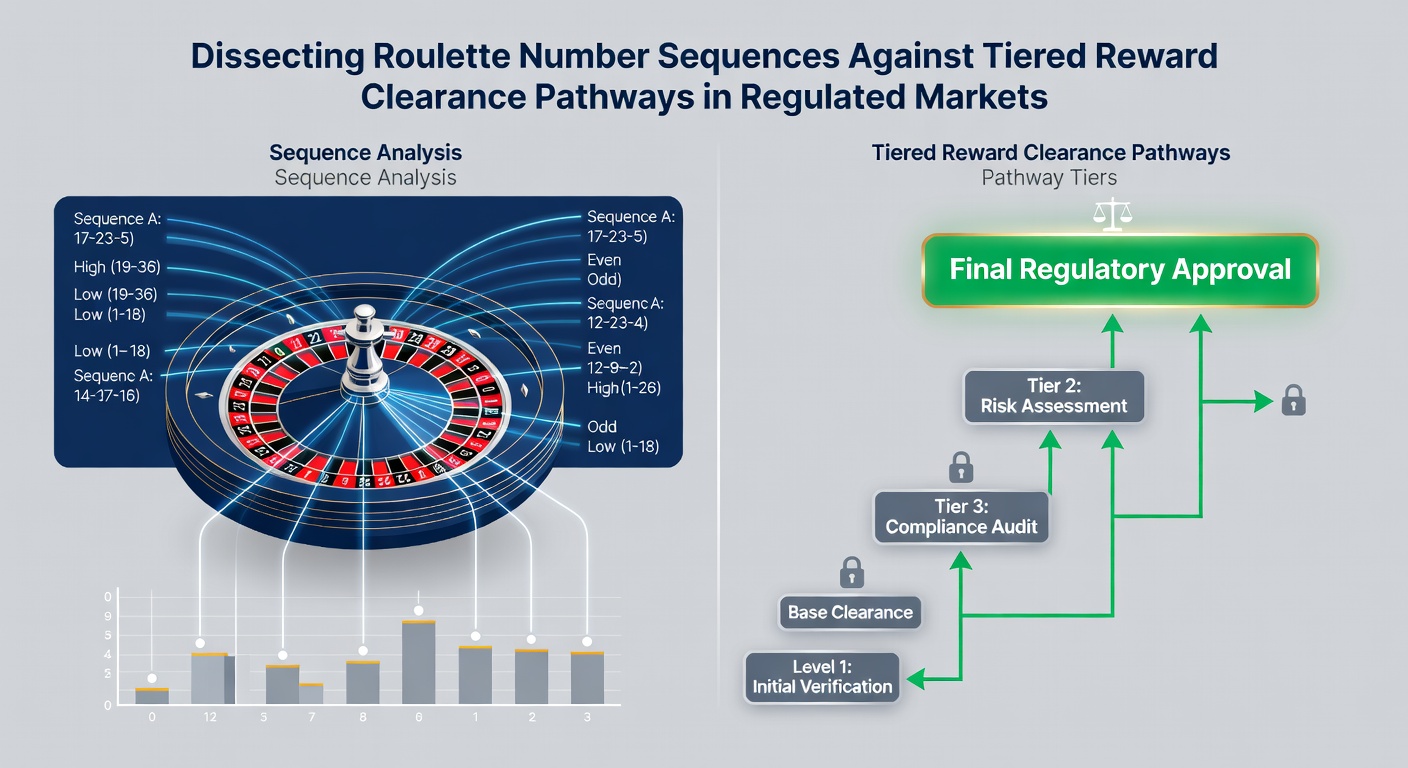
Regulated markets require operators to structure bonus programs around specific clearance pathways that tie directly to player activity on games like roulette, and number sequences generated during play often intersect with those requirements in measurable ways. Data from multiple jurisdictions shows that sequences of red or black outcomes, even or odd results, and column distributions influence session length and wagering volume without altering the underlying house edge.
Researchers tracking European and American wheel outcomes across thousands of spins have documented that short-term sequences rarely deviate far from expected probabilities, yet these patterns still affect how players progress through loyalty tiers or complete bonus wagering. Observers note that clearance pathways in places such as New Jersey and Ontario typically demand 20x to 40x playthrough on deposit plus bonus amounts, and roulette contributes to those totals at varying rates depending on whether inside or outside bets dominate the sequence.
Sequence Patterns and Their Measurable Impact on Wagering Volume
Number sequences on a roulette wheel follow strict mathematical distribution over large samples, with each pocket holding equal probability on a fair wheel. Studies compiled by the Nevada Gaming Control Board through 2025 reveal that runs of five or more consecutive reds occur at rates consistent with random distribution, and these runs extend average session duration when players chase perceived patterns. Such extensions matter because tiered reward systems often reset or advance based on total handle rather than individual bet outcomes.
Players who encounter alternating sequences tend to place smaller, repeated outside bets that accumulate toward clearance faster than those chasing inside numbers after a short streak. Figures from Australian regulatory reports indicate that outside-bet sequences clear wagering requirements at roughly 1.8 times the speed of inside-bet sequences under identical bonus terms. The difference arises because outside bets settle more frequently and keep total wagered amounts rising steadily without the volatility spikes that can interrupt play.
Regulatory Frameworks Shaping Tiered Clearance Mechanics
Markets enforce distinct rules on how bonuses convert into real money and how sequences of play feed into those conversions. In Ontario, the Alcohol and Gaming Commission of Ontario requires operators to publish exact wagering formulas, and roulette sequences must meet minimum contribution percentages before advancing a player to the next loyalty tier. Similar structures appear in several Australian states where legislation caps bonus values and mandates transparent playthrough tracking.
European jurisdictions outside the United Kingdom apply comparable oversight through national gaming authorities, requiring operators to log every spin's contribution to clearance pathways. Data collected under these rules shows that sequences heavy in zero and double-zero outcomes on American wheels slow clearance progress because those results return zero on most bet types. Regulators use this information to audit whether advertised tier benefits match actual player progression rates.
Player Behavior Data Across Different Market Conditions
Transaction logs analyzed by independent research groups in Canada demonstrate that players facing longer clearance pathways adjust their sequence-based betting after roughly 30 minutes of play. Those adjustments include shifting from single-number bets to column or dozen sequences that generate steadier returns and keep total handle climbing. The shift aligns with requirements that demand consistent activity rather than high-variance attempts to accelerate progress.
Reports issued in May 2026 by Canadian provincial gaming bodies highlighted a 12 percent increase in outside-bet volume during bonus clearance periods compared with non-bonus sessions. This uptick occurs because sequences that avoid extended losing streaks allow players to maintain bankroll levels long enough to satisfy tier thresholds. Operators in these markets must record such behavioral shifts to demonstrate compliance with responsible gaming standards.
Technical Considerations in Sequence Tracking Systems
Modern platforms employ random number generators certified by testing laboratories that verify sequence integrity across millions of spins. These systems feed directly into backend clearance engines that calculate how each outcome contributes to tier advancement. When a sequence produces repeated splits or streets, the engine records higher per-spin contributions on American wheels than on European wheels because of the extra zero.
Integration between sequence logging and reward pathways allows regulators to verify that no hidden weighting favors or hinders particular patterns. Testing protocols in New Jersey and several Australian territories require third-party audits every six months, and findings from those audits appear in public summaries that operators must reference in player-facing materials. Such transparency ensures that clearance calculations remain consistent regardless of short-term number distributions.
Conclusion
Sequence analysis against tiered clearance pathways produces concrete data points that regulators and operators use to maintain compliance and transparency across markets. Patterns observed in roulette spins interact with wagering formulas in predictable statistical ways that affect session length and tier progression rates. Continued monitoring through established governmental and academic channels supplies the factual basis for evaluating how these interactions evolve under current regulatory conditions.