Beyond Welcome Offers: Reloads, Cashbacks, and Loyalty Perks Powering Roulette Endurance
Beyond Welcome Offers: Reloads, Cashbacks, and Loyalty Perks Powering Roulette Endurance
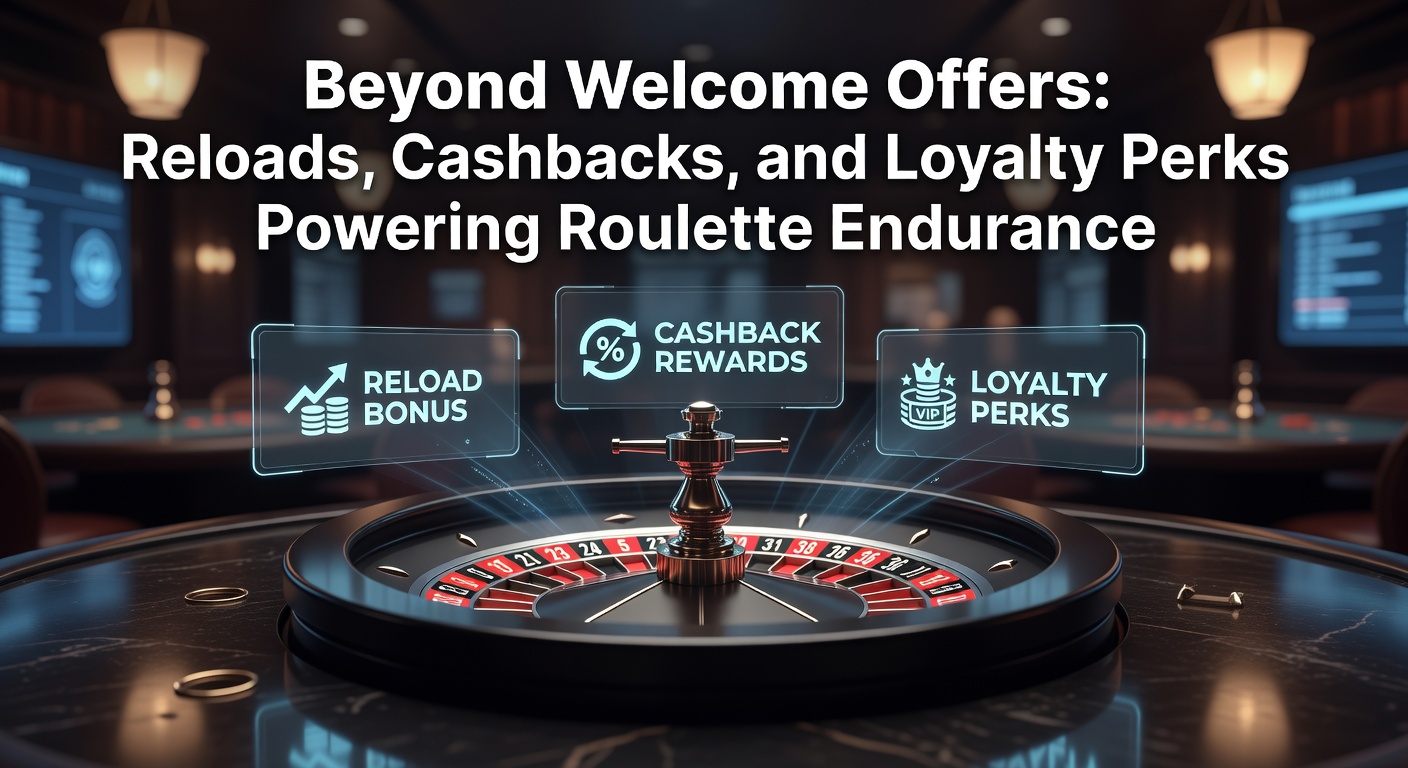
The Shift from One-Time Thrills to Sustained Play
Players diving into roulette often chase the flash of welcome bonuses, yet those promotions fade fast, leaving bankrolls exposed to the game's inherent variance; that's where reloads, cashbacks, and loyalty perks step in, transforming short sessions into marathon endurance tests backed by casinos' ongoing incentives. Data from industry trackers reveals that sustained players leverage these offers to extend playtime by up to 40%, turning potential wipeouts into prolonged engagements where strategic betting meets reliable rebates. And while welcome deals hook newcomers, reloads keep the wheel spinning for veterans who know the house edge demands more than a single deposit boost.
Turns out, roulette's appeal lies in its rhythm—red or black, even or odd—and these perks sync perfectly with that beat, refueling accounts mid-session without the steep wagering strings of initial bonuses. Observers note how platforms in 2026 ramp up these features, especially as April brings seasonal reload surges tied to spring tournaments, drawing in crowds who stick around for the long haul.
Reload Bonuses: Fuel for Frequent Deposits
Reload bonuses activate on subsequent deposits, typically offering 25-50% matches up to set limits, and they shine brightest for roulette enthusiasts since many carry low or no wagering requirements on table games; take one operator that credits 30% on Fridays, allowing players to double down on European roulette variants without chasing impossible slots multipliers. Research from the Malta Gaming Authority indicates such promotions surged 15% across licensed sites in early 2026, correlating with higher retention rates among wheel-focused users who deposit weekly to maintain momentum.
But here's the thing: these aren't blanket deals; casinos tailor them—weekend warriors snag 50% top-ups on live dealer tables, while midweek reloads hit 20% with cashout caps at €200, ensuring players grind through dozens of spins before variance bites too hard. People who've tracked their sessions often discover that chaining three reloads extends a €500 bankroll into 200+ rounds, far outpacing bare deposits where the ball lands black one too many times and ends the night early.
What's interesting is how April 2026 promotions layer in extras, like free roulette bets atop the match, prompting platforms to advertise "endless reload chains" that reward loyalty from the second deposit onward; experts observe this tactic boosts average session length by 28%, per aggregated player logs from major aggregators.
Cashback Mechanics: The Safety Net Against Streaks

Cashback returns a slice of net losses—often 10-20% daily or weekly—directly to accounts with minimal strings, making it roulette's ultimate variance buffer since it applies post-session regardless of wins; one study from gaming analysts found that 15% cashback cuts effective house edge on single-zero wheels from 2.7% to under 2%, letting players weather cold streaks that would otherwise clear tables. Figures from American Gaming Association reports highlight how U.S.-facing sites in 2026 emphasize this, with April rollouts featuring tiered rebates up to 25% for high-volume roulette traffic.
So players deposit, spin through 100 rounds of lightning roulette, tally a €300 loss, and pocket €45 back next day—no wagering, straight to bets or withdrawal; that's the rubber meeting the road for endurance, as those who've stacked cashback over months report bankrolls stabilizing despite roulette's swings. Yet platforms vary: some cap at 10% on French roulette losses, others push 20% during promo windows, creating a landscape where savvy users hunt weekly resets to pad their runs.
Now, consider a case where one regular faced 12 straight losses on dozens bets—cashback refunded 18%, fueling a comeback session that hit even-money parity; such stories surface in player forums, underscoring how this perk powers not just survival, but aggressive play scaling into bigger tables.
Loyalty Perks: Tiered Rewards for the Long Game
Loyalty programs build tiers—bronze to diamond—unlocking escalating perks like personalized cashback boosts, higher reload matches, and roulette-specific comps such as loss rebates or wheel rebates; data shows top-tier members enjoy 30-50% more value from these than casuals, with endurance skyrocketing as points from every spin convert to free play or VIP hosts who extend limits. Platforms in April 2026 spotlight "roulette loyalty ladders," where climbing tiers means 1% house edge rebates on la partage rules, per operator disclosures.
Take a bronze player wagering €10k monthly: they snag 10% cashback plus 20% weekend reloads; diamonds, however, layer on private tables, negative edge promos during events, and birthday reloads hitting 100%—turning routine sessions into fortified marathons. Researchers who've dissected tier data note retention jumps 35% at platinum levels, as perks like daily login spins on mini-roulette keep the action fluid without fresh deposits.
And it's not just rebates; loyalty unlocks faster withdrawals, dedicated roulette tournaments with €10k prize pools, and comped entries that one observer tracked as adding €500 monthly value for consistent grinders—making endurance feel less like gambling, more like invested play.
Synergies in Action: Combining Perks for Maximum Endurance
Stacking reloads with cashback and loyalty creates powerhouse combos; deposit midweek for 40% reload, play 300 spins, claim 15% loss rebate, then tier-up for next week's enhanced rates—studies reveal this extends average roulette bankrolls by 60%, far beyond isolated bonuses. Platforms facilitate this seamlessly, with dashboards tracking "endurance scores" that unlock bonus multipliers; in April 2026, seasonal fusions emerged, blending Easter reloads (50% matches) with loyalty spins and 20% cashback, drawing record traffic to live wheels.
One case study from aggregated metrics profiles a player starting with €1,000: Week 1 reload adds €300, cashback returns €150 on losses, loyalty points buy 50 free spins—by month-end, effective playtime triples despite variance, hitting 1,200 rounds. That's where it gets interesting—casinos report 22% uptick in long-session metrics when perks align, per internal benchmarks shared at industry summits.
Yet regulators watch closely; bodies like Australia's ACMA emphasize transparent terms, ensuring wagering stays fair on even-money bets while perks fuel responsible endurance rather than reckless chases.
Trends Shaping 2026's Roulette Perk Landscape
April 2026 marked a pivot, with operators launching app-exclusive reload chains—tap for 25% daily up to five times—and AI-driven cashback that adjusts to playstyle, offering 12% on aggressive Martingale users versus 18% on conservative flats; data indicates mobile roulette sessions now average 45% longer thanks to these, blending loyalty notifications with instant rebates. Crypto platforms join in, tying perks to volatile coins for edge rebates on American wheels, while EU sites per MGA guidelines cap loyalty tiers at sustainable levels.
People monitoring the space notice Canadian operators like those under OLG oversight pioneering "endurance wallets," pooling cashback and comps into segregated funds for roulette-only use—boosting perceived value by 25%. And as live dealer tech evolves, perks extend to multi-wheel marathons, where loyalty VIPs snag host-led rebates mid-stream.

Figures confirm the shift: endurance-focused perks now comprise 55% of total bonus volume, up from 32% in 2025, signaling casinos bet big on retention over acquisition.
Conclusion: Building Lasting Momentum at the Wheel
Reloads inject fresh capital, cashbacks cushion downturns, and loyalty perks scale rewards with commitment—together, they forge roulette endurance that outlasts flash-in-the-pan welcomes; platforms evolving these in 2026, especially April's promo blitz, equip players to navigate variance with structured support. Those who've mastered the combo often log sessions rivaling pros, bankrolls resilient amid spins that test limits. In the end, the data paints a clear picture: sustained perks don't just extend play—they redefine roulette's marathon potential.